
How to Choose Colors for a Coloring Page: A Beginner Palette Guide
Based on original research from 252 US adult colorists, April 2026.
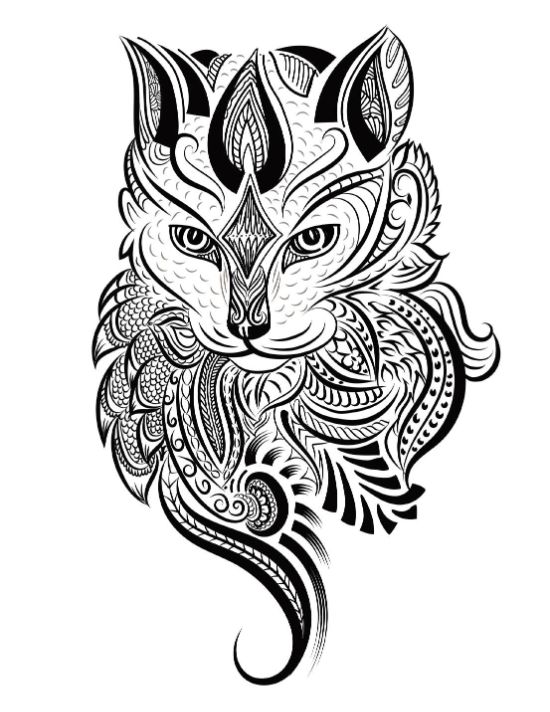
If you have ever sat with a freshly sharpened pencil and absolutely no idea where to begin, you are in very good company. When we asked colorists about their biggest frustration in our 2026 reader survey, choosing colors came out on top, ahead of even the fear of ruining a page. The blank page does not stress people out because they lack talent. It stresses them out because they are facing too many choices at once. The good news is that picking colors is a skill, not a gift, and a simple method removes almost all of the pressure. Try it on any free printable adult coloring page as you read.
Start with three colors, not thirty
A full box of pencils is the problem, not the solution. Too many choices is exactly what makes a page feel paralyzing, because every section becomes a fresh decision among dozens of options. So before you color anything, pull out just three colors that you like together, and put the rest of the box away where you cannot see them.
A reliable starter trio is one main color, one supporting color, and one accent. The main color covers the largest areas. The supporting color fills the next most common shapes. The accent appears only here and there, in small doses, to add a spark. For example: a soft sage green as the main, a warm cream as the support, and a single coral as the accent. With only three pencils on the table, every section answers itself, and the finished page looks intentional and calm rather than scattered and busy.
Once you are comfortable, you can add a fourth or fifth color, but you will be surprised how far three will take you. Many of the most pleasing pages use a small palette on purpose.
Two color theory ideas that do most of the work
You do not need to study color theory to choose well. Two simple ideas cover the vast majority of pages.
The first is analogous colors, which sit next to each other on the color wheel, like yellow, orange, and red, or blue, teal, and green. Because these colors are neighbors, they already belong together, so any combination of them tends to look harmonious and calm with almost no effort. Analogous palettes are the safest place to start.
The second is complementary colors, which sit opposite each other, like blue and orange, or purple and yellow. These pairs are high energy. The trick is to let one of them lead and the other follow: use one as your main color across the page, and bring in the opposite only as a small accent. A little contrast makes a page feel lively and modern, while equal amounts of two opposites can feel loud and busy.
Pick whichever idea matches the mood you want. Reach for analogous when you want soft and soothing, and complementary when you want bright and striking.
A third option: stay in one color family
There is a third approach that is almost foolproof, for the days you do not want to think at all. Choose a single color and use its lighter and darker versions across the page. A page colored entirely in pale blue, mid blue, and deep navy looks elegant and considered, and you genuinely cannot clash with yourself. This is sometimes called a monochrome palette, and it is a lovely, low pressure way to fill a detailed design.
Build a palette from the subject, then break the rules
When in doubt, start from the real world. A flower can borrow the colors of the real thing, an animal its natural coat, a sky its actual blue. Starting from a real reference gives you an instant, sensible palette with zero guesswork.
Once you have that anchor, you are completely free to wander. Purple elephants, teal lions, and sunset colored mountains are all allowed, and they are often more fun than the realistic version. The reference is a starting point, not a rule.
The simple trick that beats the fear of ruining the page
The reason choosing colors feels so heavy is that it seems permanent. One wrong pencil stroke and the page is ruined, or so it feels. It does not have to be that way.
Print two copies of any page and treat the first as a test sheet. In a corner, or on a spare shape, scribble your three colors side by side and see how they actually look together, which is often different from how they look in the box. Try your risky accent there first. Adjust until you are happy, then color the clean copy with full confidence. This one habit removes almost all of the pressure, and it is the simplest possible fix for the fear of getting it wrong. For deeper, smoother color once you commit to the real page, see our guide on how to blend colored pencils. And if color choice is one of several things slowing you down, our breakdown of the biggest challenges adult colorists face has fixes for the rest.
A few palette recipes to steal
If you would rather not decide at all today, borrow one of these trios and adjust to taste:
- Calm and cozy: dusty blue, warm cream, soft terracotta.
- Fresh and natural: sage green, butter yellow, soft brown.
- Bright and cheerful: turquoise as the lead, with small hits of coral and sunny yellow.
- Moody and elegant: deep plum, soft grey, a touch of gold.
- Vintage and soft: muted rose, sage, and antique cream.
Different themes also invite different palettes. Soft, analogous tones suit flower coloring pages beautifully, while a bold complementary pair brings real energy to mandala coloring pages. Browse the full printable adult coloring pages library and practice a three color palette on a few. After a handful of pages, choosing colors stops being the scary part and starts being the fun part.
Related research from the report
- How to blend colored pencils
Layering and burnishing techniques for smooth, even colored pencil work.
- The 5 biggest challenges adult colorists face
The lateral hub linking color picking, ergonomics, and the most common frustrations.
Related coloring themes
Want to put this into practice? Browse flower coloring pages for adults, or mandala coloring pages for adults. Or open adult coloring pages to see every themed adult coloring book in one place.
Frequently asked questions
How do I choose colors for a coloring page if I have no idea where to start?
Start with just three colors you like together, a main, a support, and an accent, and put the rest of the box away. Fewer choices makes the page far less overwhelming, and choosing colors was the number one challenge colorists named in our 2026 survey.
What colors go well together for coloring?
Analogous colors that sit next to each other (like yellow, orange, and red) feel calm and harmonious. Complementary colors that sit opposite (like blue and orange) feel lively when you use one as the main color and the other as a small accent.
How do I stop being afraid of ruining the page?
Print a second copy and use it as a test sheet. Try your colors there first, then color the clean copy once you are happy.
Do I need to learn color theory to color well?
No. Two ideas are enough: analogous palettes for calm results, and complementary palettes for lively contrast. A single color in light and dark versions is a third, nearly foolproof option.
How many colors should I use on one page?
Three is a great default, and many lovely pages use no more than that. A small, deliberate palette almost always looks more intentional than a rainbow.
Survey methodology
All findings on this page come from a 252-person online survey of US adults conducted via Prolific in April 2026. Percentages are rounded to the nearest whole number and may not sum to exactly 100% due to rounding.
Want to start coloring? Open Printable coloring pages for adults and pick a free PDF to print today.