
Free Intricate Wildflower Mandalas: Botanical Zentangle Coloring Pages for Adults
Curated by Coloring Therapy
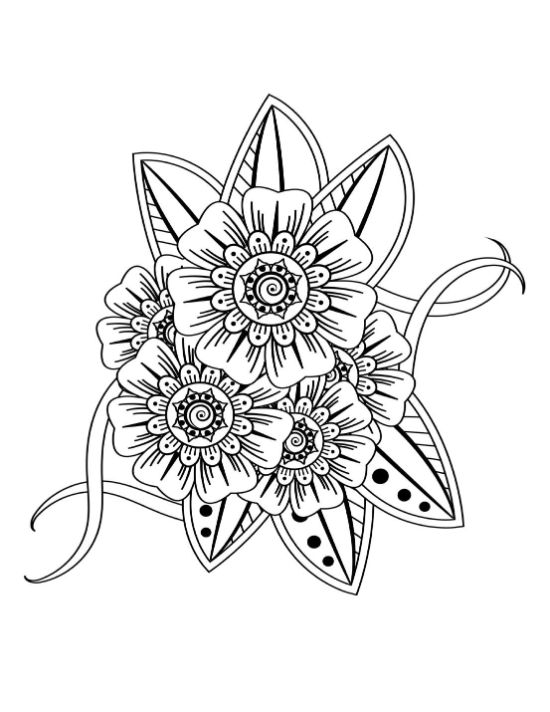
Free intricate wildflower mandala and botanical zentangle coloring pages for adults, designed for art therapy and stress relief. Pick a single sheet, or download the full wildflower mandala coloring book as one PDF. The single-bloom mandalas, dense botanical zentangle patterns, and mixed wildflower wreath compositions on this page sit at the most intricate end of our adult coloring pages.
A rose centered in a zentangle filled mandala. A wildflower wreath with herbal sprigs woven through the border. A sunflower framed by sun-ray pattern bands radiating outward. The book moves from beginner friendly single-bloom mandala portraits to densely detailed botanical zentangle pattern pages, all built for adults using floral coloring as a stress relief and art therapy practice. Pick from the gallery below or build a custom coloring book if you want to mix wildflower mandalas with the wider mandala library.
Browse every page in the book
Click any wildflower mandala page below to preview, print or download.
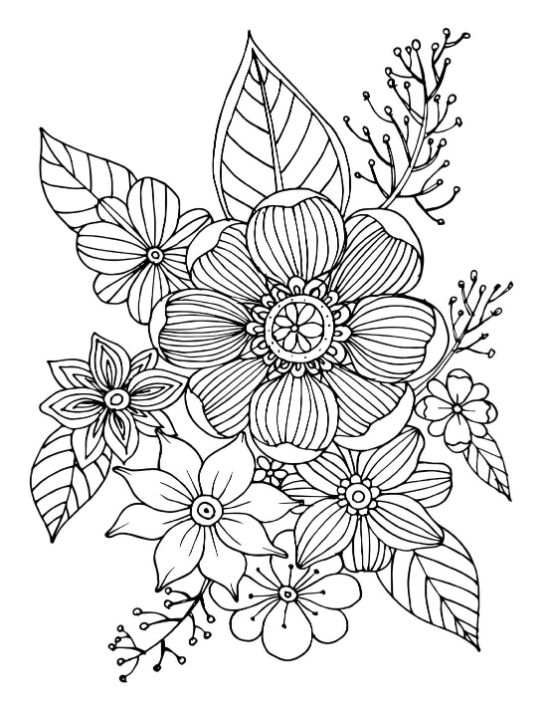
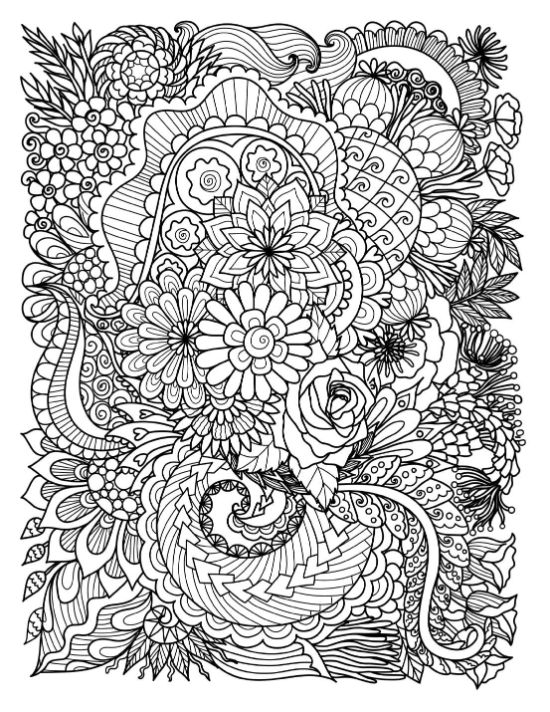
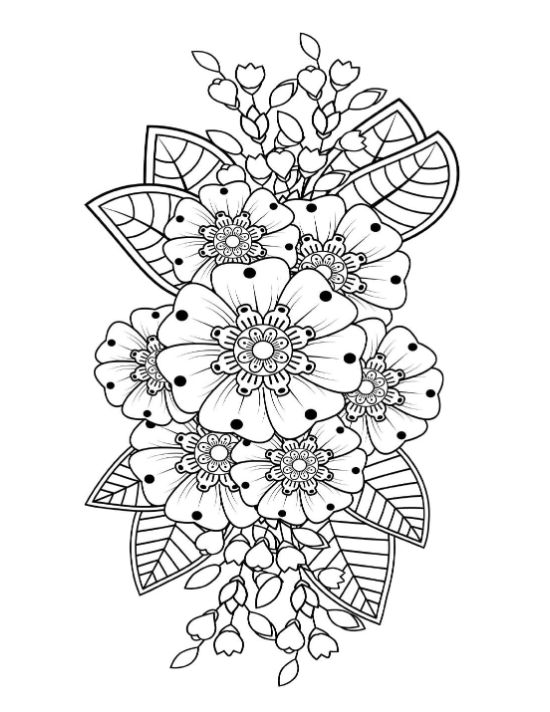
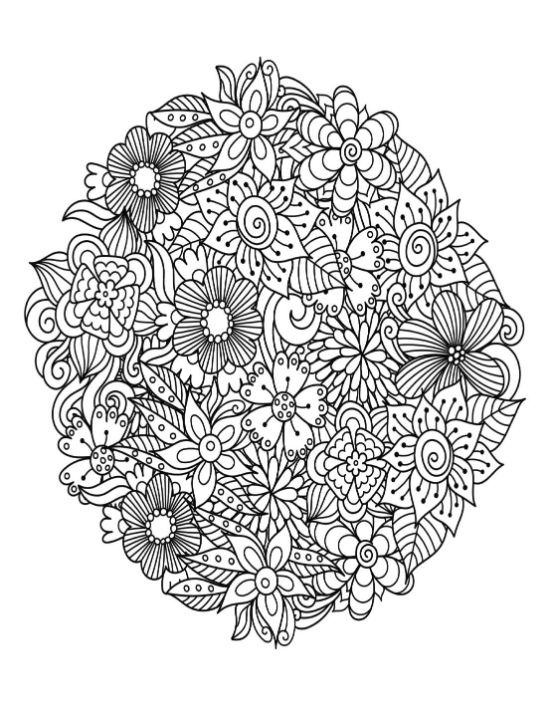
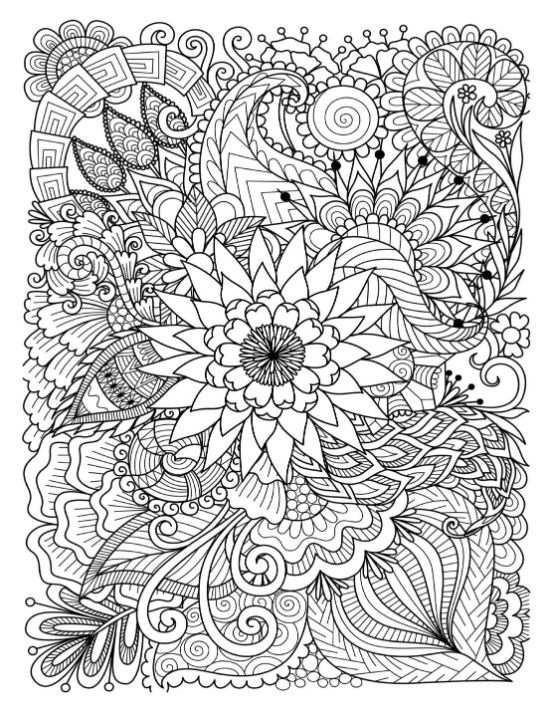
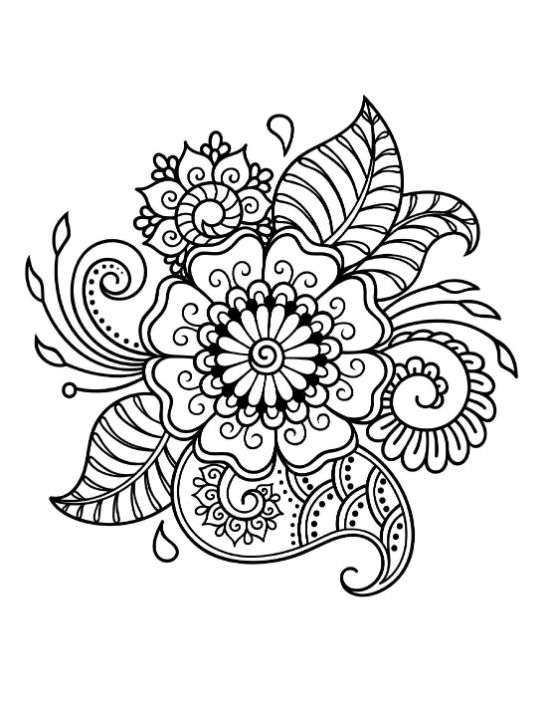
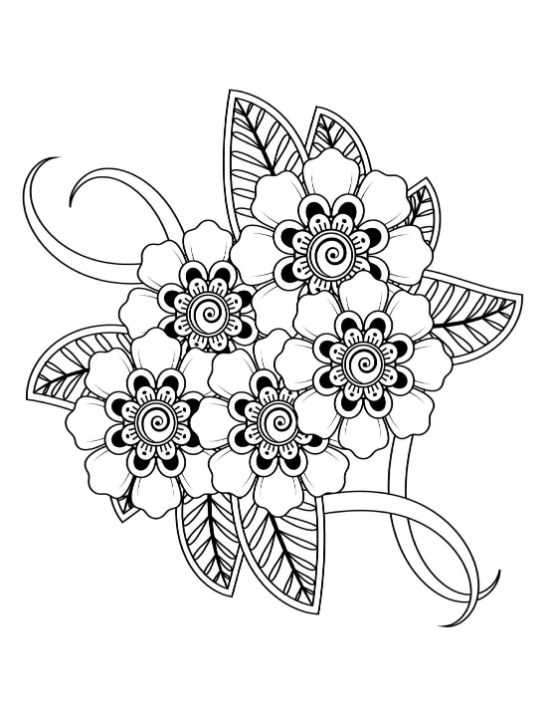
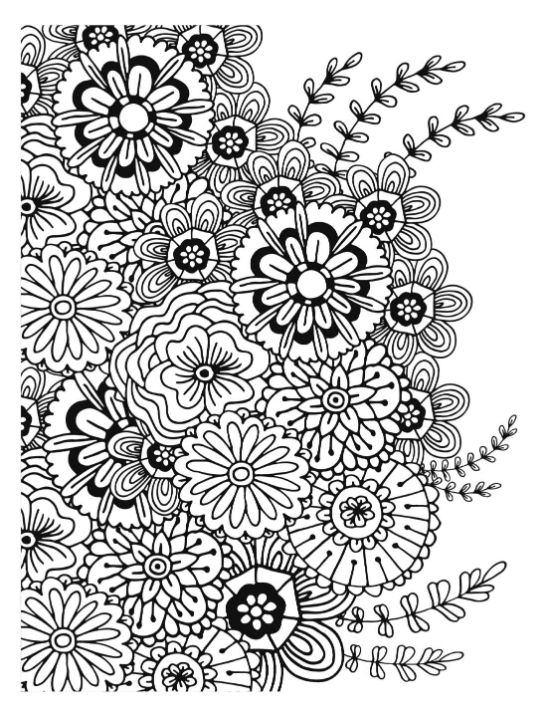
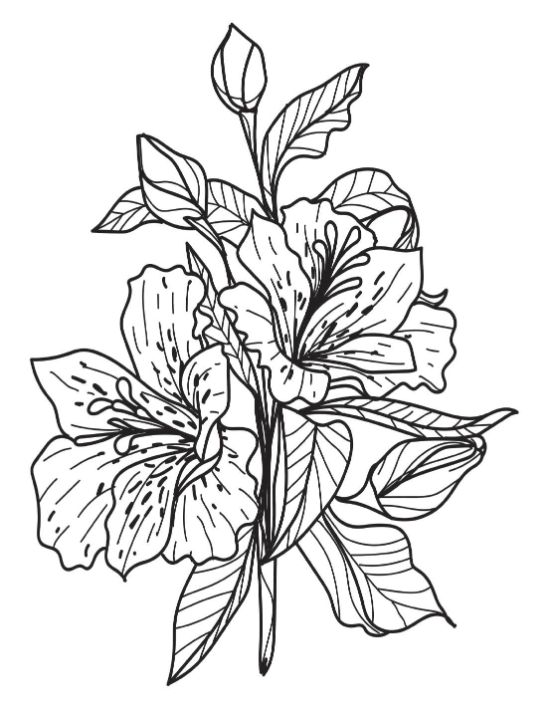
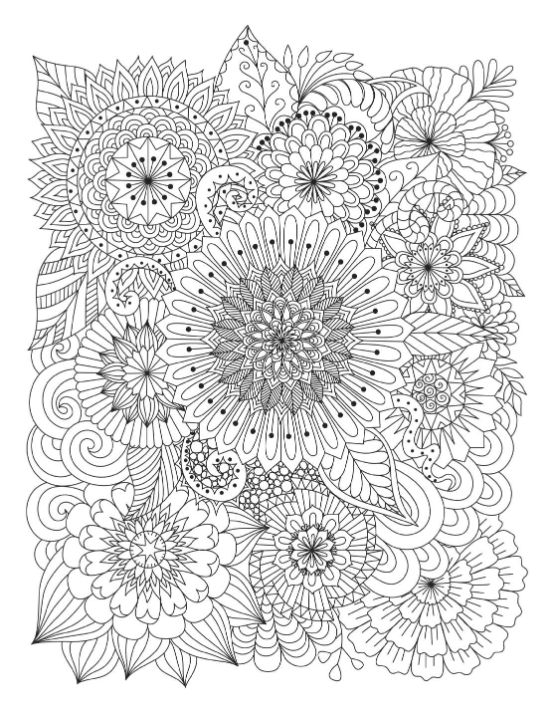
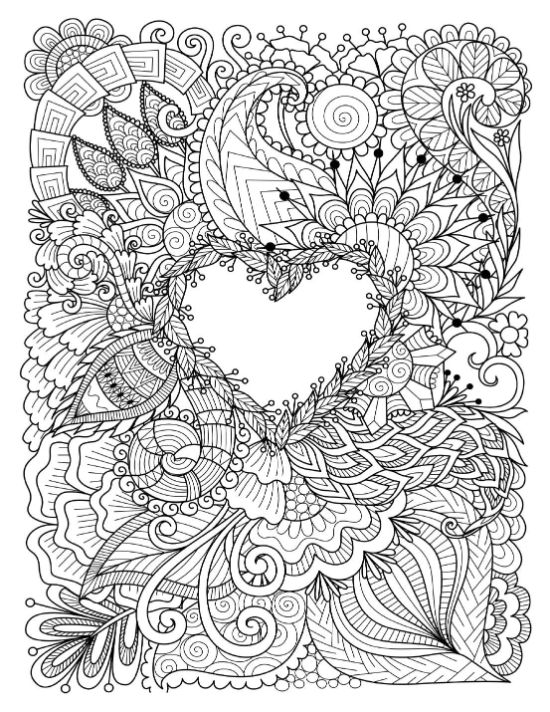
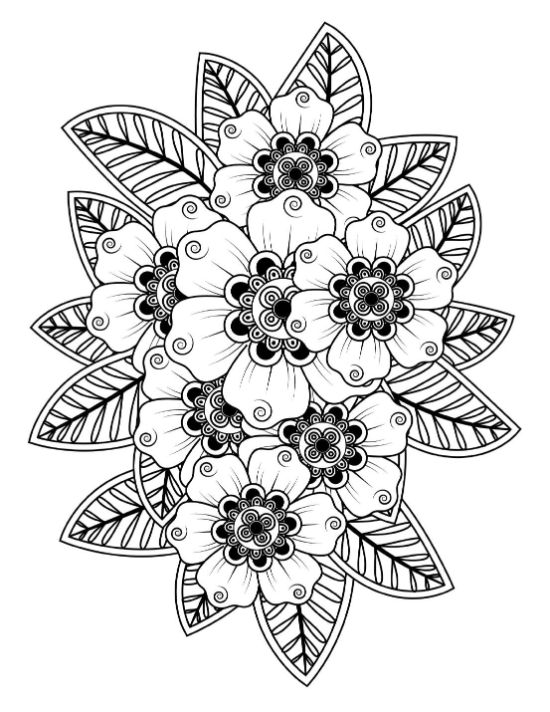
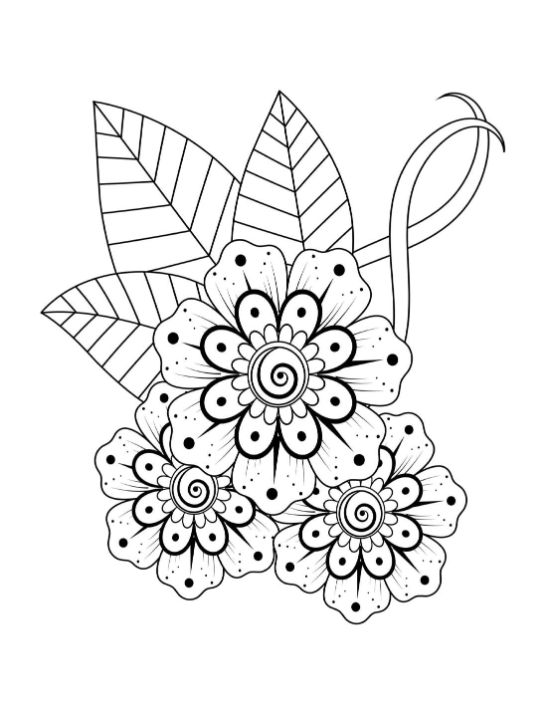
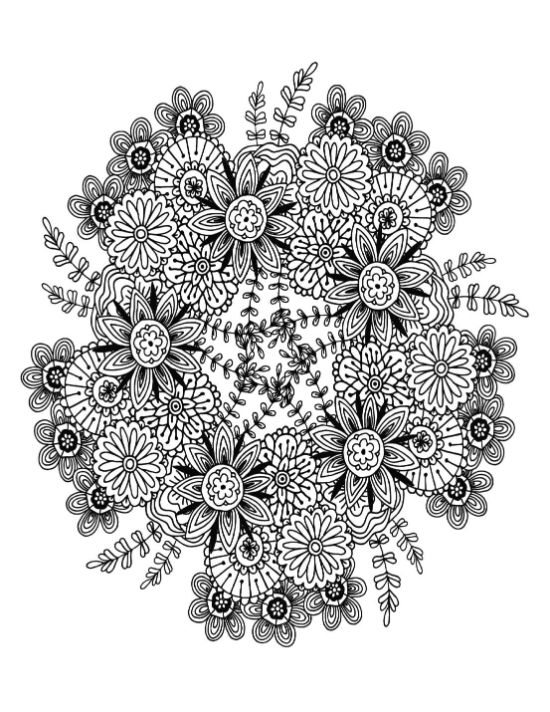
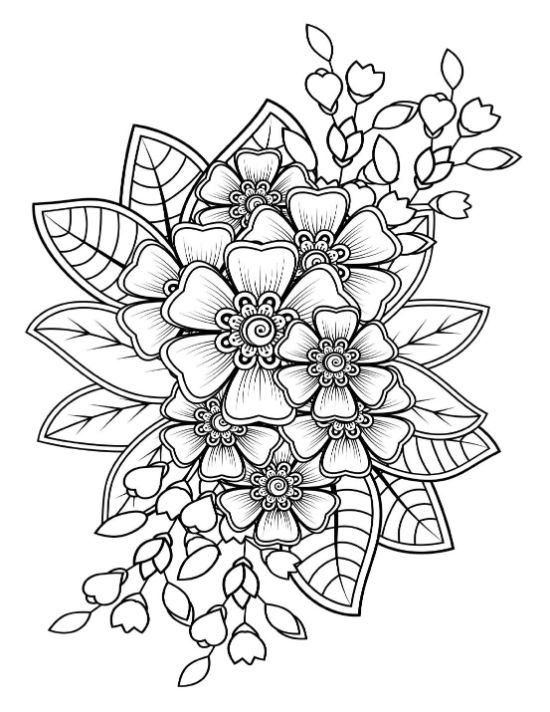
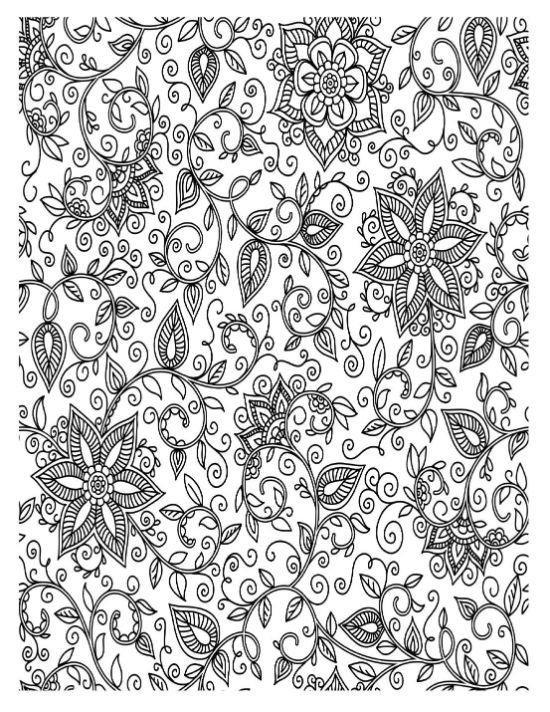
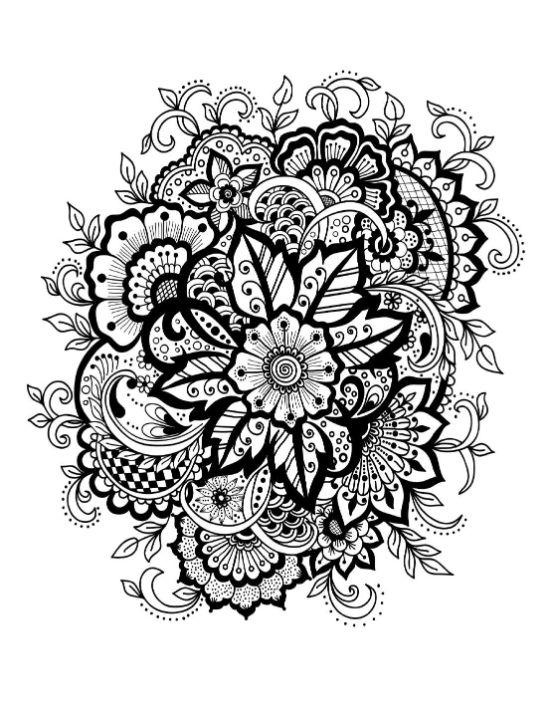
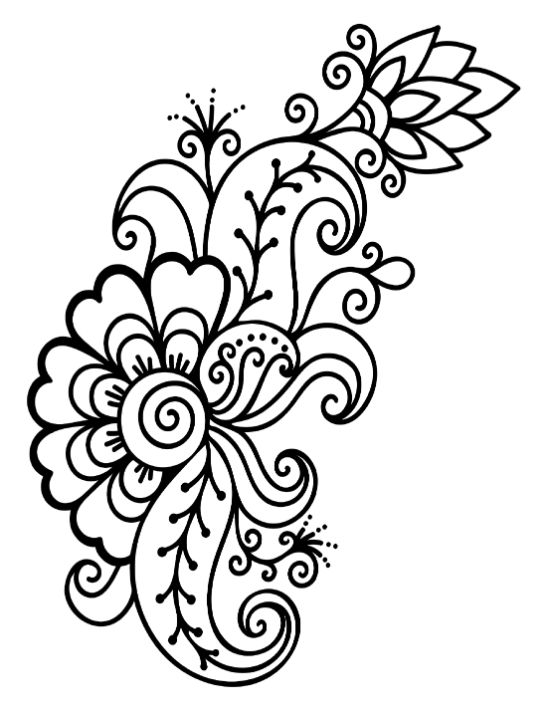
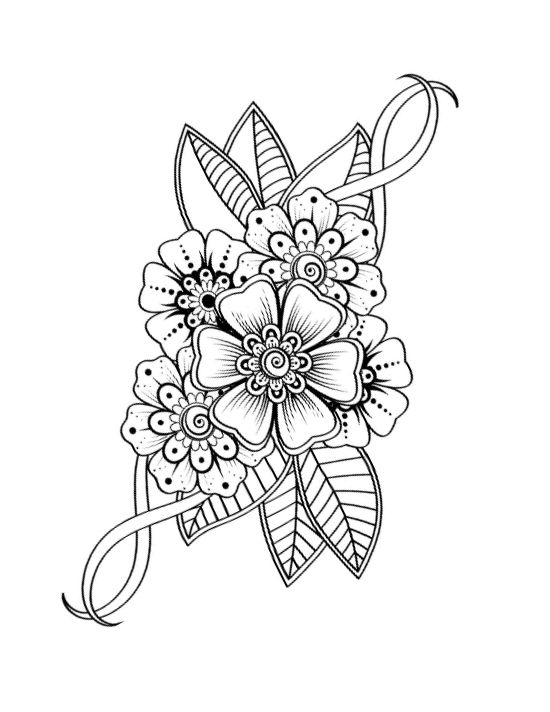
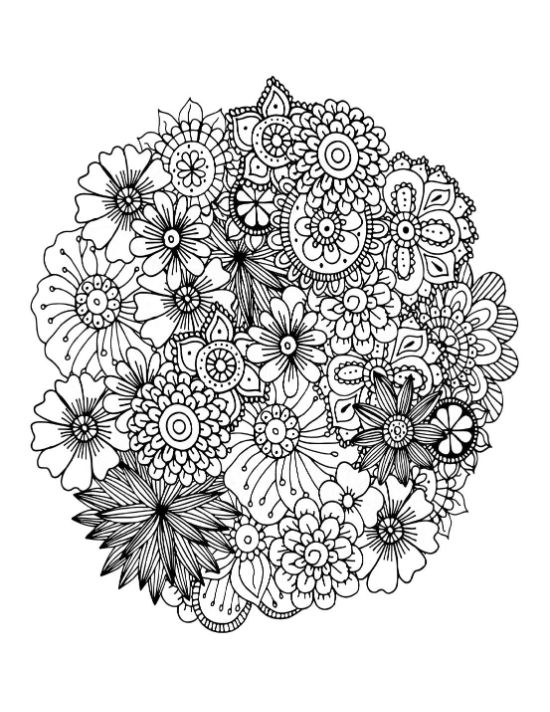
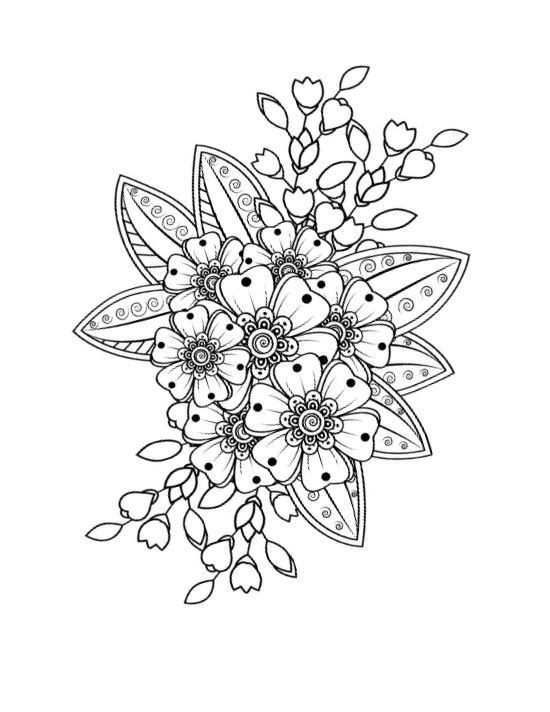
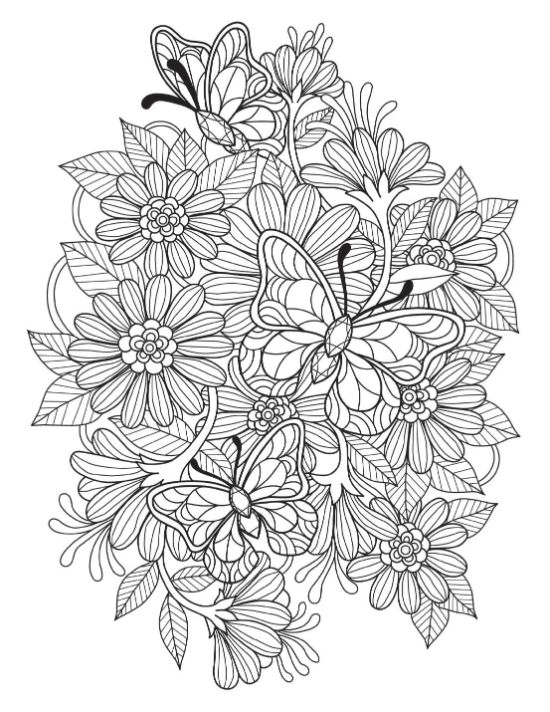
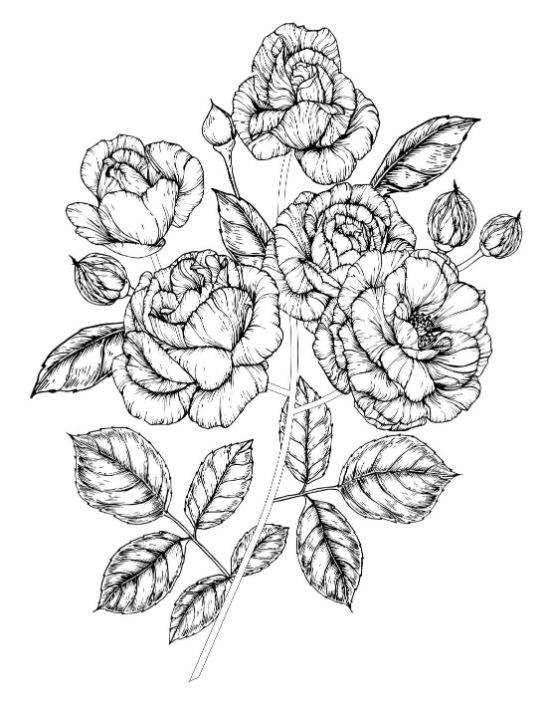
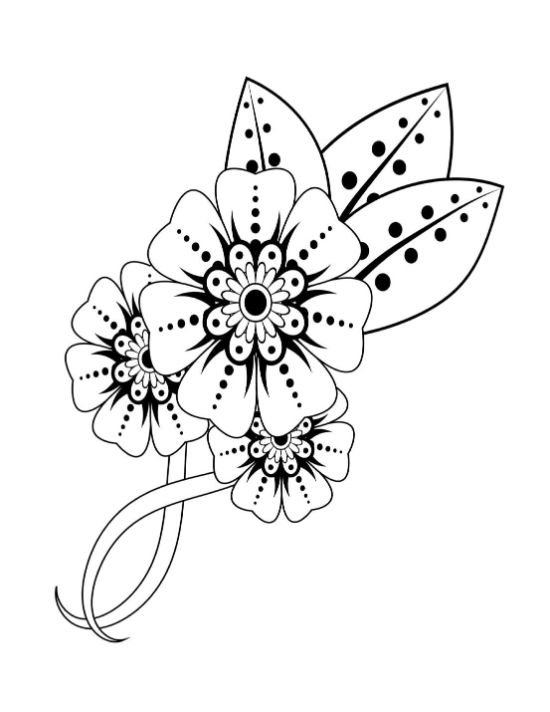
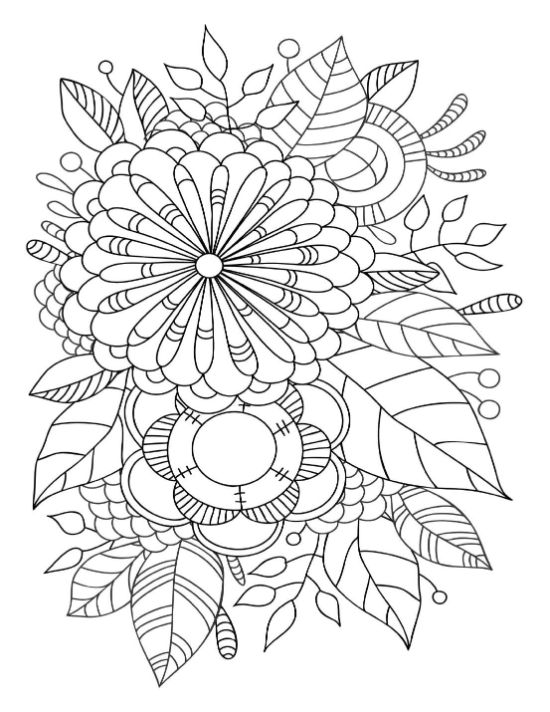
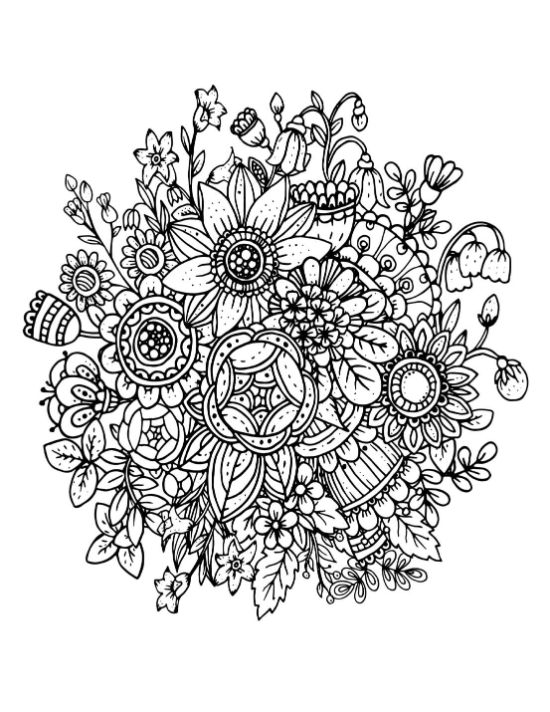
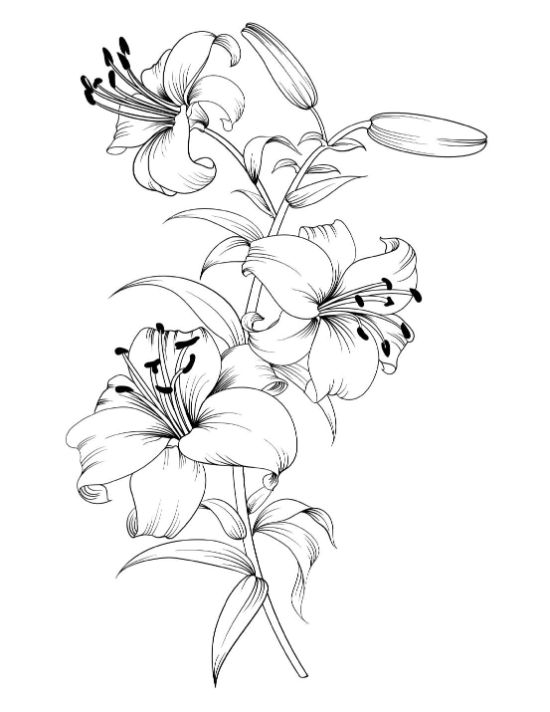
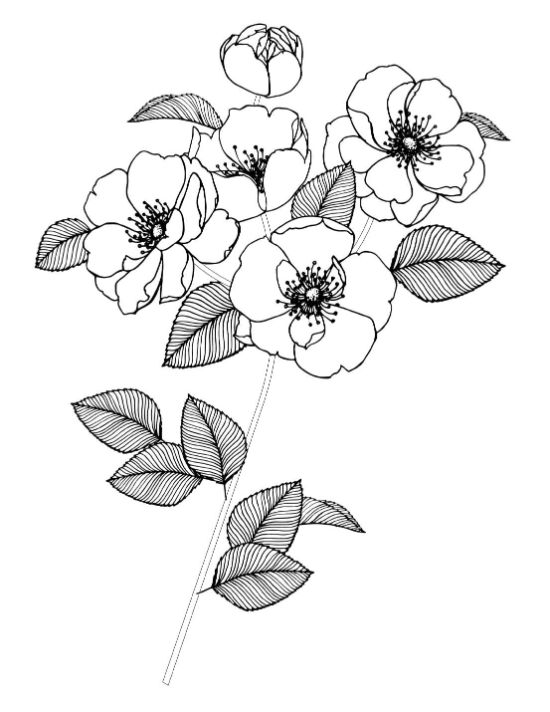
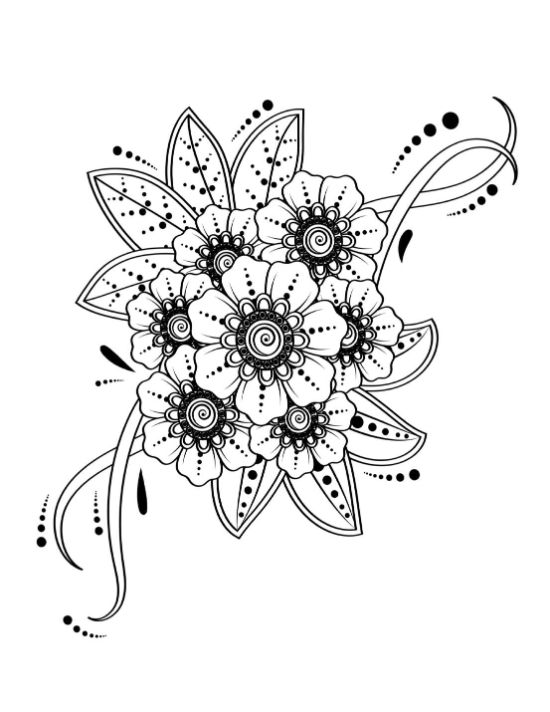
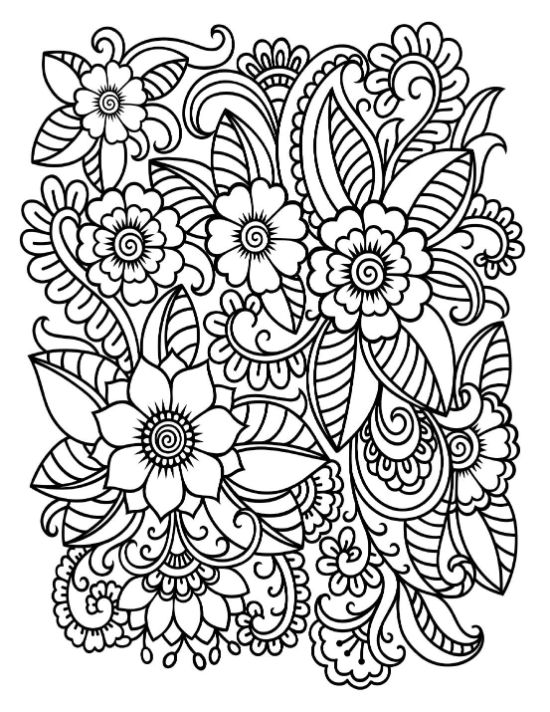
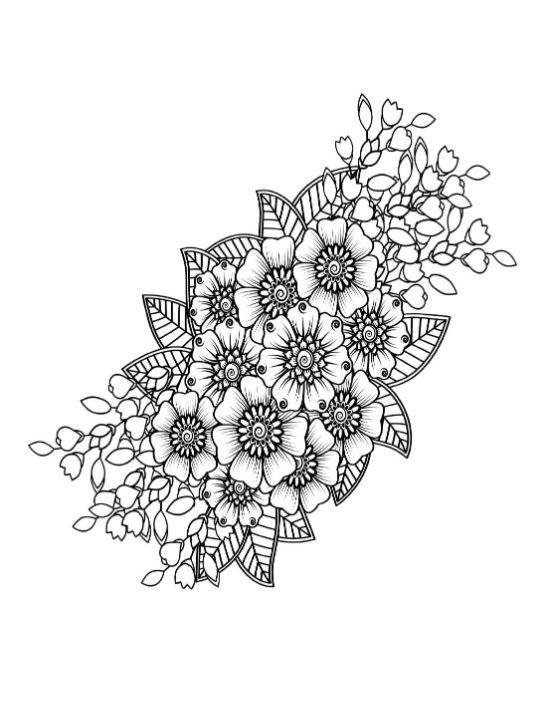
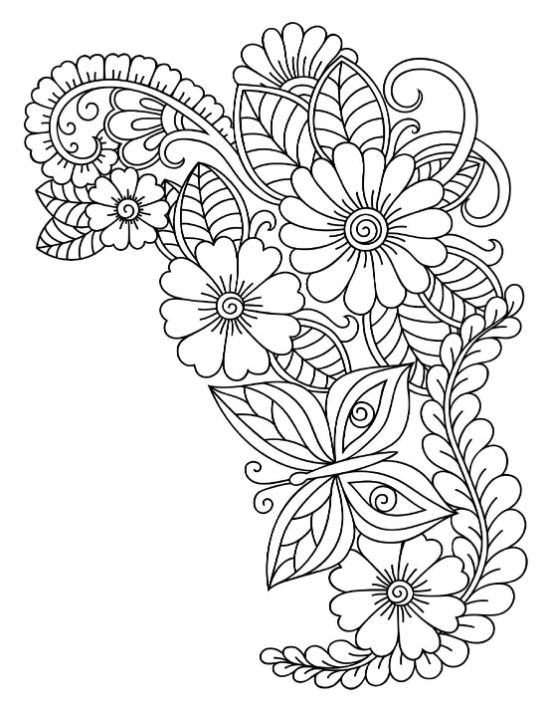
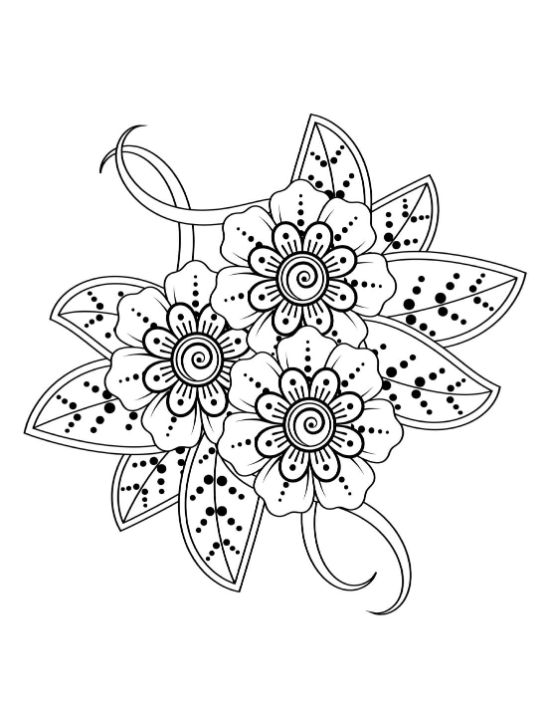
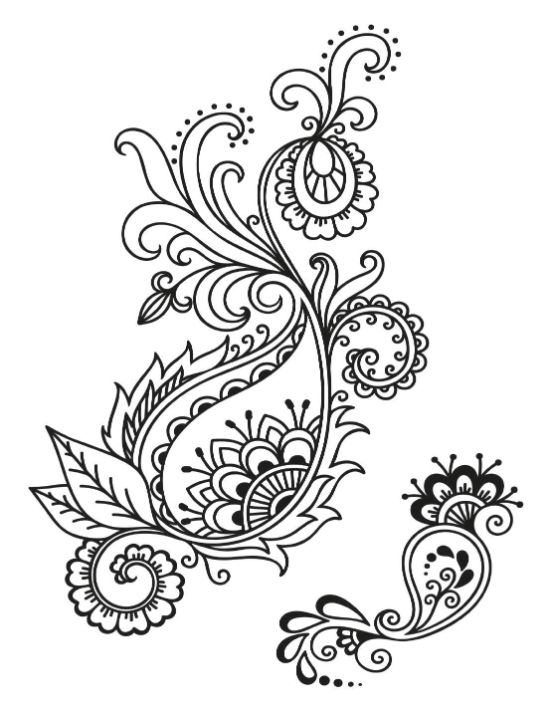
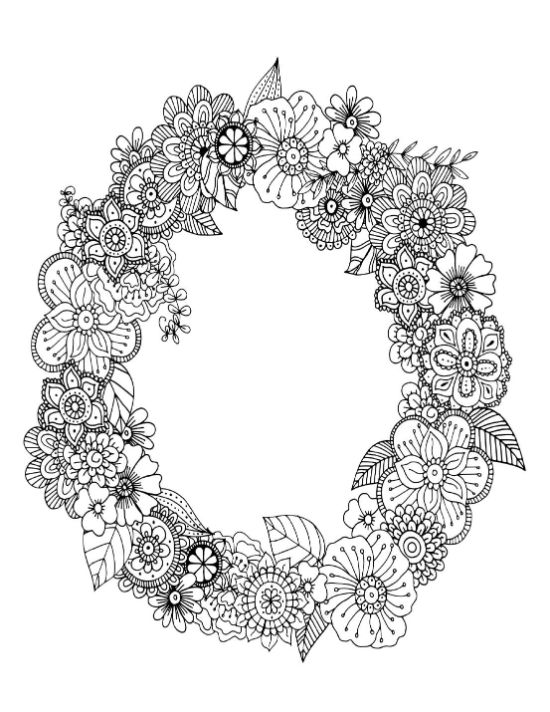
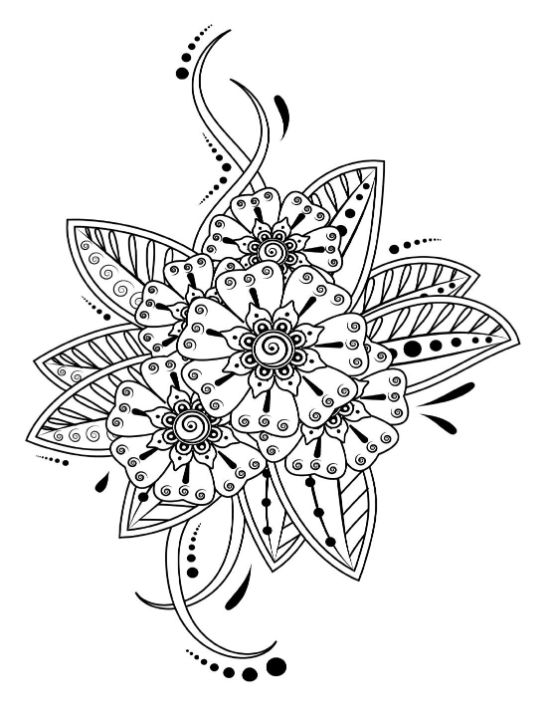
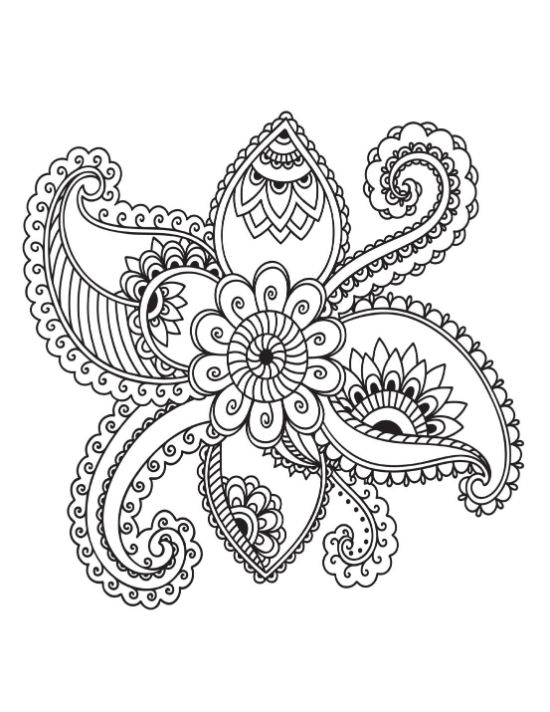
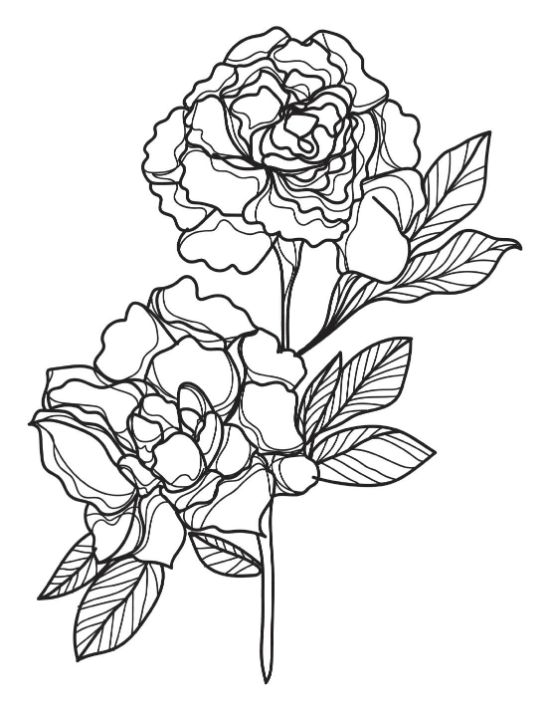
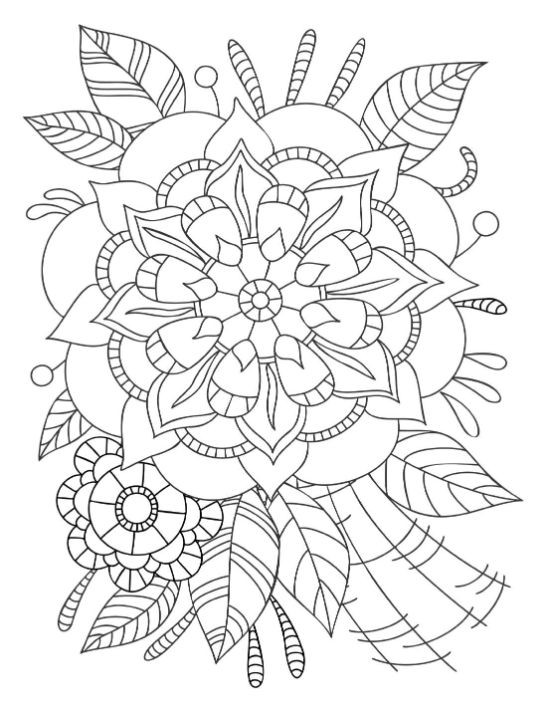
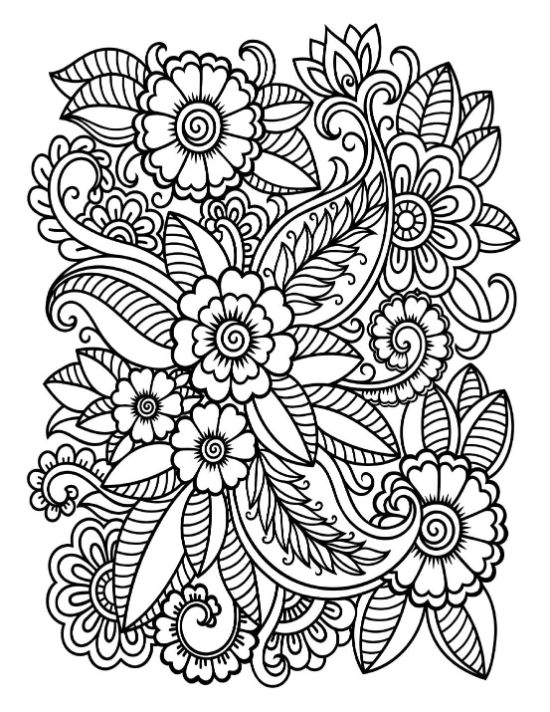
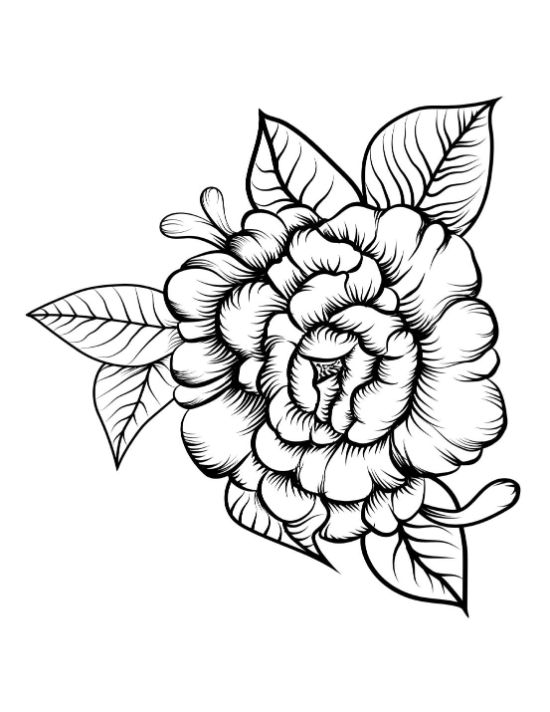
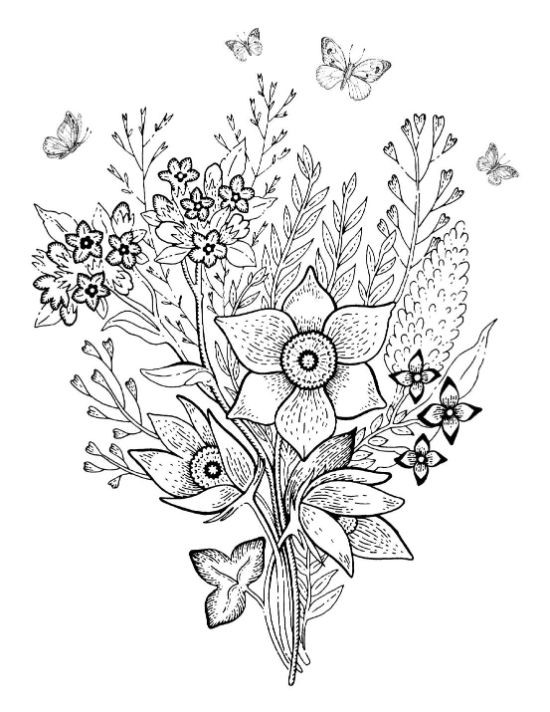
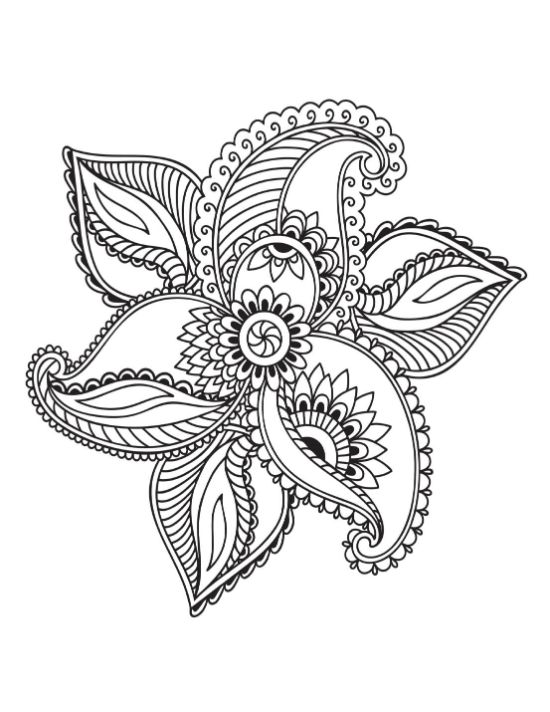
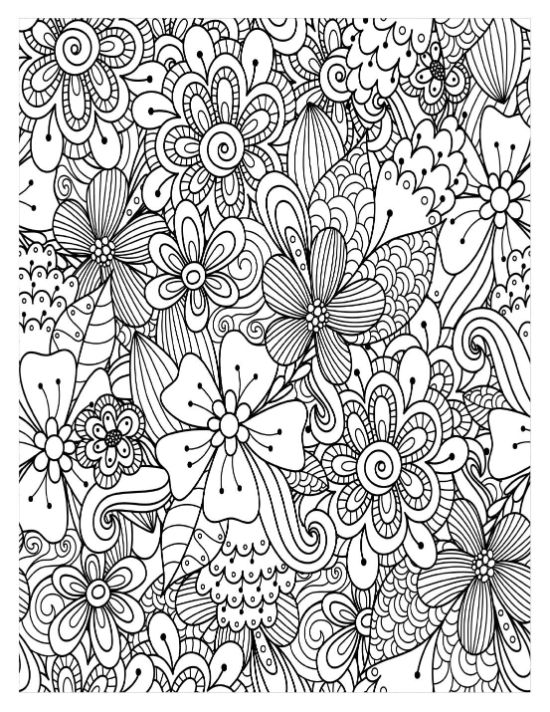
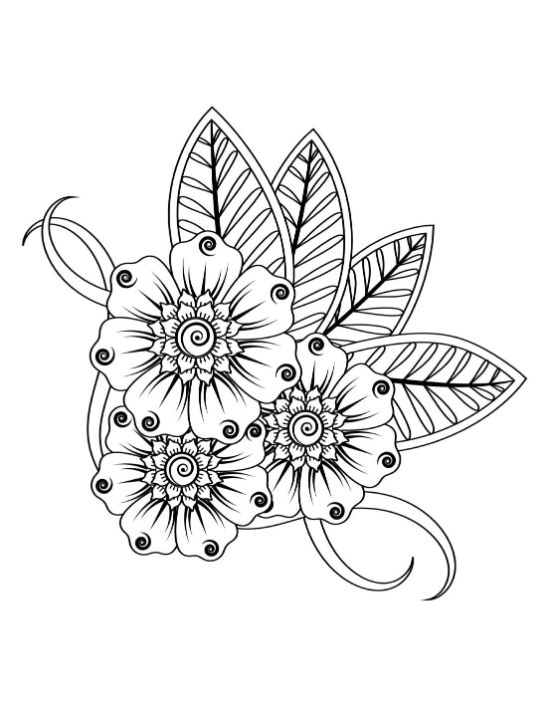
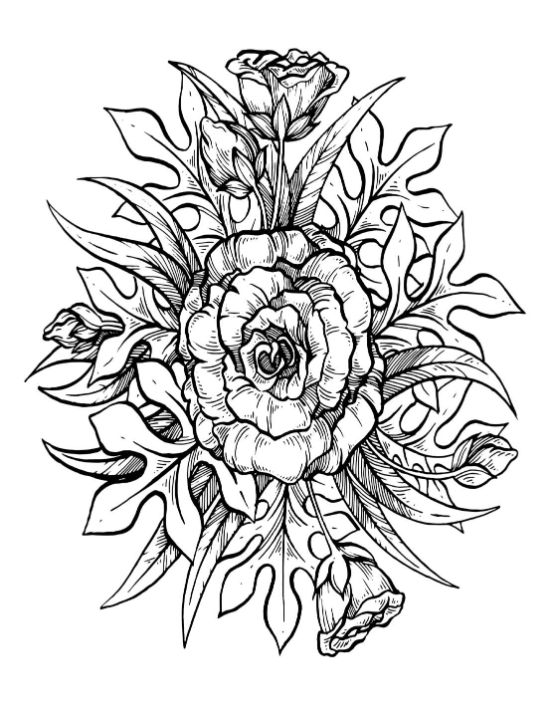
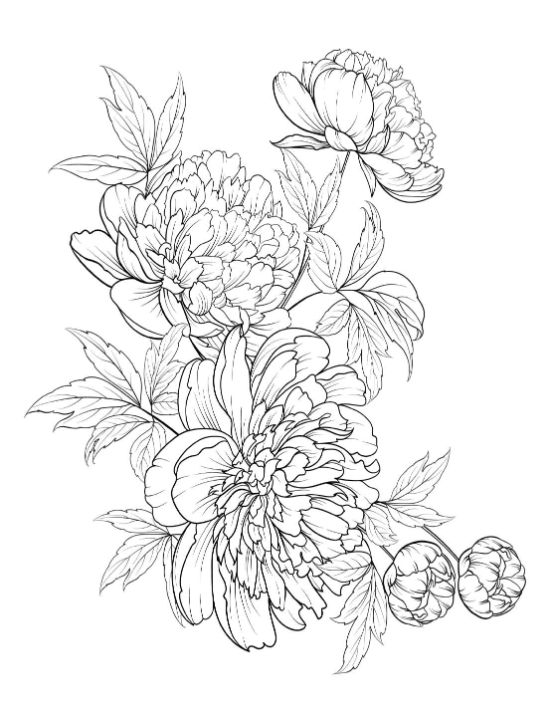
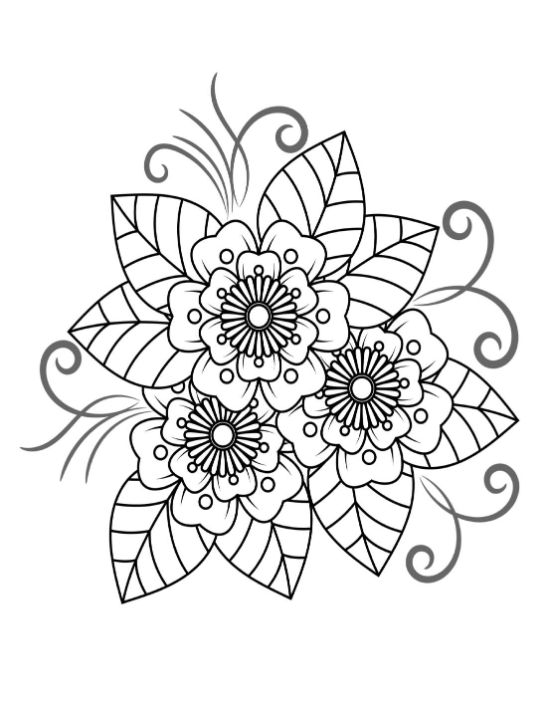
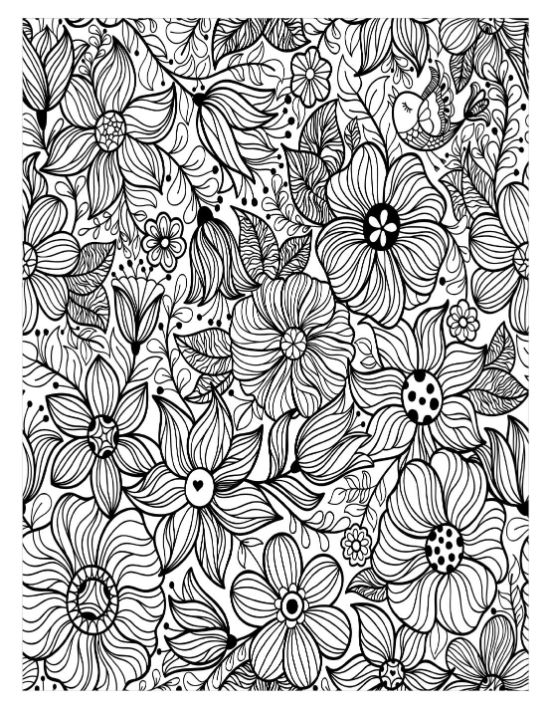
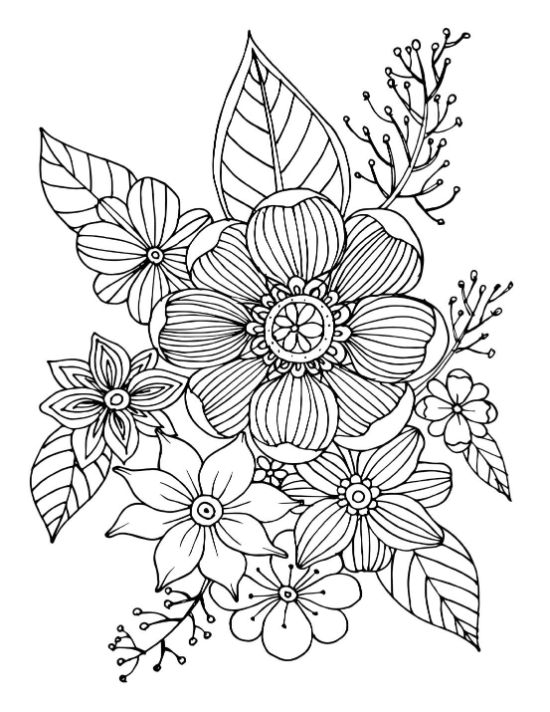
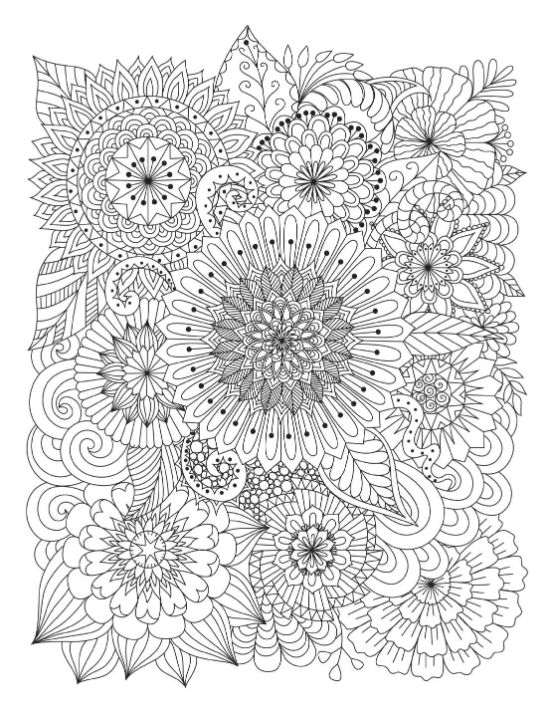
Wildflower mandalas, botanical zentangle, mixed bloom mandalas, and floral garden scenes
The book moves through four loose styles, so you can pick a page based on the kind of art therapy session you want to spend the next hour on.
Wildflower mandala portraits
Center one bloom inside radial mandala symmetry. Single roses, peonies, sunflowers, and daisies anchor a circular mandala frame, with petals, leaves, and geometric rings spiraling out from the center. These are the friendliest wildflower mandalas for beginners and finish in one or two sittings.
Botanical zentangle patterns
Fill flower petals and leaves with intricate zentangle pattern bands, dot work, and freeform tangle motifs. Each bloom becomes a canvas of nested geometric repeats. These reward slow, patient pencil work and pair best with colored pencils, since the small petal zones make marker work tricky.
Mixed bloom mandalas
Weave many flower types into a single radial composition. Wildflowers, garden blooms, and herbal sprigs share the frame in symmetrical mandala arrangements. Particularly effective for stress relief sessions where the variety of small subjects keeps your hand engaged across a long evening.
Floral garden scenes
Round out the book. Wildflower borders, garden bouquets, and blooming meadow scenes give you wider compositions with botanical detail throughout. These sit at the most pictorial end of the collection, and each one alone can absorb a full evening of slow art therapy work.
When you finish this book, our intricate butterfly mandala coloring pages for adults continue the same dense mandala style with butterfly subjects woven into the patterns, often appearing alongside floral garden scenes.
Best tools for wildflower mandala and botanical zentangle designs
Most adult colorists reach for colored pencils first, and wildflower mandala and botanical zentangle pages reward that instinct heavily. In our adult coloring report, 53% named colored pencils as their primary tool. Pencils hold a clean point in the tightest petal zones, layer cleanly across botanical pattern bands for natural floral gradients, and lift mistakes back out with a kneaded eraser. For the densest botanical zentangle and mixed bloom pages, a quality pencil set is genuinely the only tool that will not skip in the smallest detail.
Markers come second at 28%. Fine tip alcohol markers add saturated contrast on top of a pencil base layer, which is useful when you want a richer red on a rose petal or a deeper purple on an iris. They will bleed through standard 24 lb printer paper inside the densest zentangle pattern bands, so step up to 70 to 90 lb cardstock if markers are your main tool. Brush tip markers are not a great match for these pages, the tip is too wide for the small petal-pattern zones.
Gel pens are a useful third layer. White and metallic gel pens add highlights to flower centers, dewdrops on petals, and mandala border detail that pencils alone cannot produce. For art therapy and stress relief work, the slow rhythm of laying down gel pen highlights at the end of a session can itself be the meditative tool. A small set of three or four gel pens, used sparingly, will lift even a beginner's wildflower mandala into something that looks deliberately styled.
Where to start: easy versus densely intricate wildflower pages
If you're new to wildflower mandala coloring or to art therapy, the gentlest entry point is a single-bloom wildflower mandala portrait or a wider floral garden scene. The single rose, peony, and sunflower mandalas give you a clear central focal subject with larger color zones, and you can finish each one in a single 30 to 45 minute stress-relief session. There is no expectation of a particular technique. You lay color down, the page does the rest, and the result still looks deliberately styled.
If you've been using coloring as art therapy for a while, head straight for the densest botanical zentangle pages and the mixed bloom mandalas. The botanical pattern fields, the mixed herbal mandalas, and the multi-bloom wreath compositions reward patient pencil work and reveal more pattern detail the longer you spend with them. In our adult coloring report, 44% of adult colorists picked highly detailed designs as their preferred style.
If you're somewhere in the middle, the floral wreath mandalas and the wildflower border scenes give you medium sized zones with enough small petal accents to keep your hand busy. They're also the best fit for mixed media work, where you start with a colored pencil base layer on the petals and finish with marker contrast on the central flowers, plus gel pen highlights on the surrounding mandala border.
How to print intricate wildflower mandala coloring pages at home
Printing from this book takes about a minute from start to finish. The full book is one PDF, so you can print every page in a single job or pick out only the wildflower mandala or botanical zentangle designs you want.
- Open the book in the embedded viewer. Scroll to the embedded viewer at the bottom of this page, or click any thumbnail in the gallery to jump straight to that wildflower mandala page inside the viewer.
- Choose Print or Download from the toolbar. Use the viewer's toolbar to print directly from your browser or download the full PDF to your computer for later use. Both options are free.
- Pick the right paper. For colored pencils, standard 24 lb (90 gsm) printer paper works fine. For markers or gel pens on the densest botanical zentangle patterns, step up to 70 to 90 lb cardstock to prevent bleed through and warping.
- Set print quality and scaling. Select your printer's highest quality setting and set scaling to None or Actual Size to keep the intricate floral line work crisp on 8.5x11 paper. On A4, enable Fit to page.
- Test print one sheet first. Before printing the full book, run a test on a single wildflower mandala page to check the line crispness and paper behavior with your chosen tool.
More intricate adult coloring themes
Like these wildflower mandalas? Here are a few more intricate themes you might enjoy.
Butterfly mandala pages
The same intricate mandala and zentangle style applied to butterflies, often appearing alongside floral garden scenes. The closest neighbor to wildflower work.
Browse butterfly pages →Animal mandala pages
The same intricate mandala and zentangle style, applied to creature subjects: lions, owls, elephants, peacocks, and more.
Browse animal mandala pages →Inspirational mandala pages
Manifestation affirmations, art therapy patterns, and mindfulness mandalas built around inspirational quotes and focus words.
Browse inspirational mandalas →Frequently asked questions
Are these intricate wildflower mandala coloring pages really free for adults?
Yes. Every wildflower mandala, botanical zentangle pattern, mixed bloom mandala, and floral garden scene on this page is free to print and download as a PDF.
What size paper do these wildflower mandala PDFs print on?
All intricate wildflower coloring pages are sized for standard 8.5x11 inch (US Letter) paper. They also print cleanly on A4 with the Fit to page option enabled.
What kinds of flowers and botanical designs are included in this book?
The 52 page book mixes single-bloom mandala portraits (rose, peony, sunflower, daisy, lily, lotus, magnolia, iris), botanical zentangle pattern pages, mixed bloom mandalas with cultivated and wild flowers together, and full floral garden scenes with wildflower borders and herbal sprigs. Every page is rendered as either a mandala portrait inside a radial frame, a zentangle pattern study, or a wider botanical garden composition.
Why are wildflower mandalas so good for art therapy and stress relief?
Wildflower mandalas pair a strong central focal subject (the central bloom) with botanical detail radiating outward in a mandala frame. This combination of natural subject matter and mandala symmetry is one of the most-recommended formats for adult art therapy work, since flowers carry intuitive emotional associations while the mandala framing gives your hand a slow, rhythmic task. The variety of bloom types in this book also lets colorists pick a flower that matches their current mood.
Are these wildflower mandala pages a good fit for beginners?
Yes, with the right starting point. The single-bloom wildflower mandala portraits and the wider floral garden scenes have the friendliest density for beginners, with larger color zones and a clear central focal subject. The full botanical zentangle patterns and the mixed bloom mandalas are tighter and pack in much more small detail, so save those for once you have a few sessions of practice.
Are these botanical zentangle pages suitable for advanced colorists?
Yes. The dense botanical zentangle pattern pages, the mixed herbal mandalas, and the multi-bloom wreath compositions sit firmly at the advanced end of adult coloring. Each one packs enough intricate detail to absorb a full evening of slow art therapy work, which is exactly what most experienced colorists reach for when they want stress relief that genuinely engages the hand and the eye.
What tools work best on intricate wildflower mandala pages?
Colored pencils give the most natural look on flower petals and hold a clean point in the tight zentangle zones inside botanical pattern bands without skipping. Fine tip alcohol markers add saturated contrast on top of a pencil base layer, especially in the larger mandala border bands and the wildflower garden scenes. They will bleed through standard 24 lb printer paper inside the densest zentangle pattern fields, so step up to 70 to 90 lb cardstock if markers are your main tool. Gel pens add useful highlights to flower centers, dewdrops, and mandala border detail.
How long does a single wildflower mandala coloring page take?
It varies with the page and your tool of choice. A simpler single-bloom wildflower mandala done with markers can be finished in 30 to 45 minutes. A dense botanical zentangle or mixed bloom mandala done in colored pencils can easily run two to three hours or more. There is no need to finish in one sitting, art therapy actually benefits from returning to the same page across multiple sessions.
How long does the full intricate wildflower mandala book take to finish?
Most colorists spread the full 52 page book across several weeks of evening sessions rather than racing through it. With a steady 30 to 45 minute session every other day, the simpler single-bloom mandalas move quickly while the densest botanical zentangle patterns take a couple of evenings each. There is no expectation that you finish every page, many colorists happily skip the styles or bloom types that don't appeal to them.
Can I print just one wildflower page instead of the full book?
Yes. Click any image above to open that specific wildflower mandala page in our viewer, then print the single sheet from your browser.
Can I color these wildflower mandala pages digitally?
Yes. The PDFs work on iPad and tablet apps that support PDF import (Procreate, GoodNotes, Notability, and most digital art apps). That said, in our adult coloring report, the strong majority preferred coloring on printed paper rather than on a tablet, so most people print these and color by hand.
What is the difference between a wildflower mandala and a botanical zentangle page?
A wildflower mandala places a flower (or several) inside a circular, radially symmetrical frame with petals and pattern radiating outward from a center point. A botanical zentangle fills flower petals and leaves with intricate freeform tangle patterns, dot work, and pattern bands across the whole bloom. The two styles often appear together in the same book and many pages combine both, with a zentangle filled bloom sitting inside a mandala frame.
Can I use these wildflower mandala pages in art therapy or classroom settings?
Yes. Our intricate wildflower mandala pages are free to print for personal, art therapy, classroom, and counseling use. Art therapists, counselors, and educators are welcome to print and distribute them to clients and students. We only ask that you do not resell the PDFs as your own.
About our data: survey statistics on this page come from our April 2026 study of 252 adult colorists, recruited via Prolific in the US.