
Bold and Easy Flower Coloring Pages for Beginners (Free Printables)
Curated by Coloring Therapy
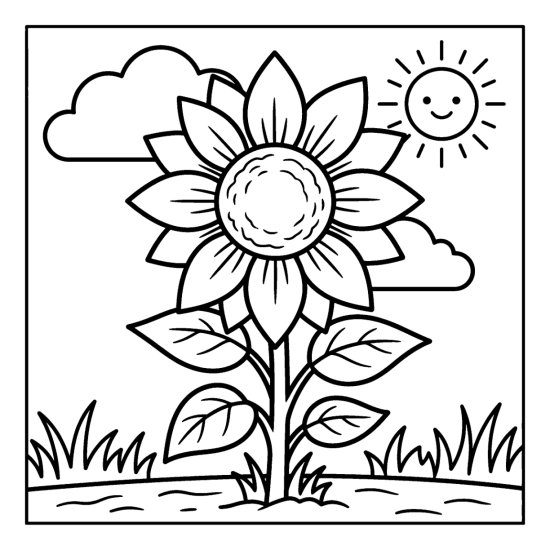
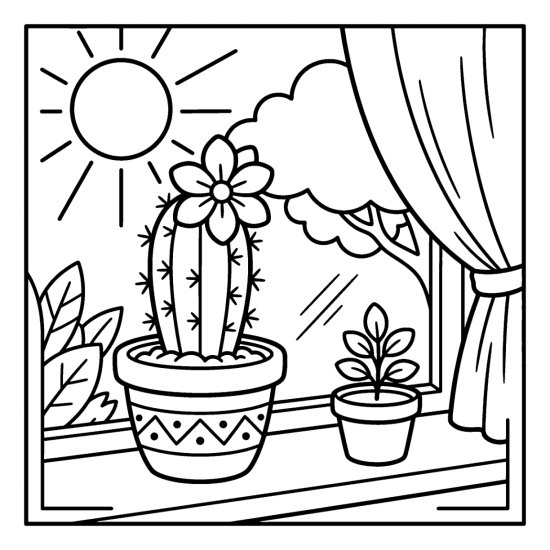
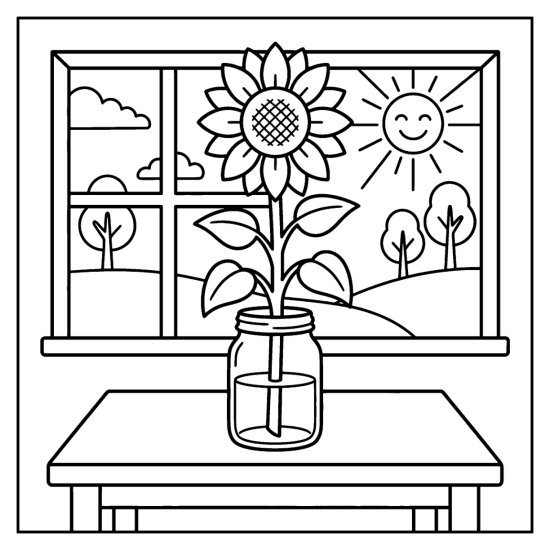
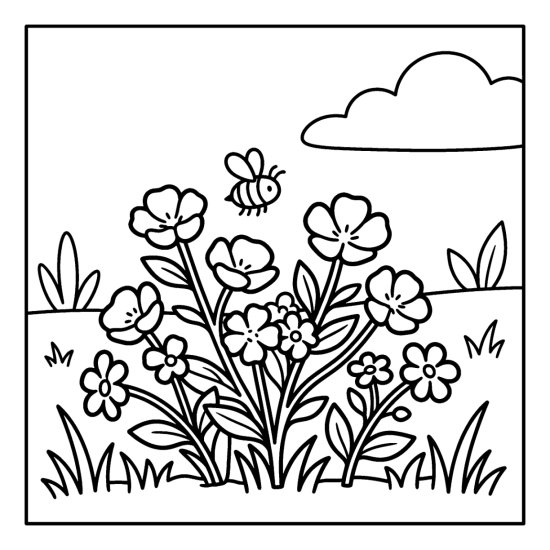
These bold and easy flower coloring pages give you one big, friendly bloom or scene per sheet, with thick lines and broad open shapes that make coloring feel relaxed instead of fussy. You will find a sunflower stretching up toward a smiling sun, a single magnolia resting on its branch, crocuses in a pot on a sunny windowsill, a flowering cactus next to a little leafy seedling, and a patch of meadow flowers with a fat bumblebee buzzing past. Nothing here is crowded or tiny. Every petal, leaf, and pot is drawn big enough to fill in without squinting.
If you have ever picked up a coloring book and felt worn out by the detail, this is the opposite of that. The shapes are simple, the outlines are thick, and the page count is forgiving, so you can finish a whole bloom in one sitting and feel good about it. Beginners do great with these, and so does anyone who just wants an easy, low-pressure way to color.
Below I will walk you through what is actually in the collection, the kinds of flowers and settings you will color, and a few palette ideas that look especially nice on these big, simple shapes.
Browse every page in the book
Click any flower coloring page below to preview, print or download.
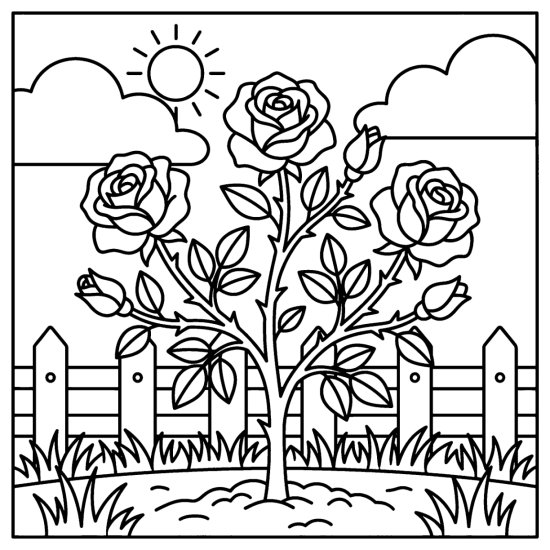
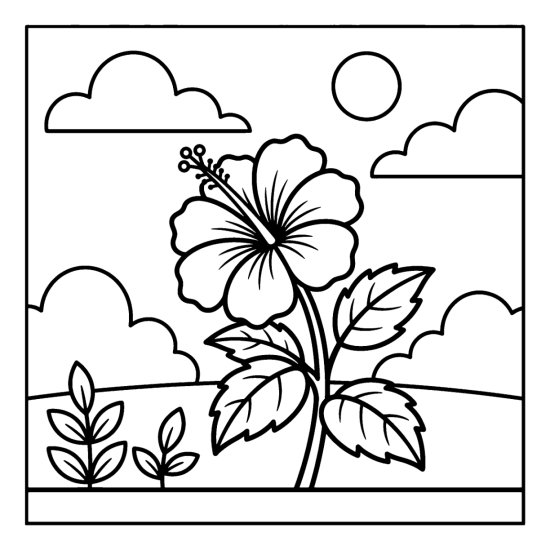
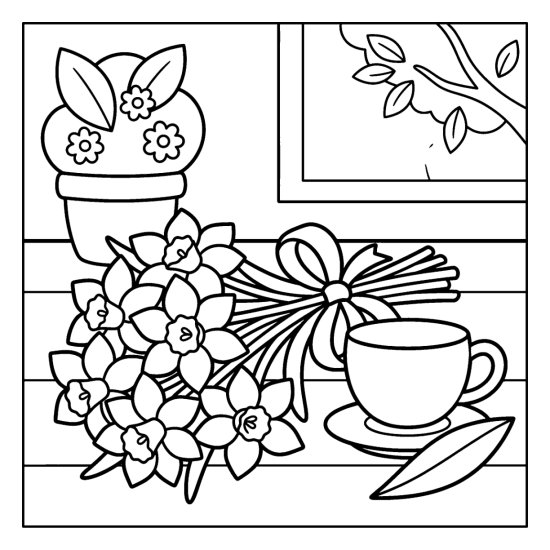
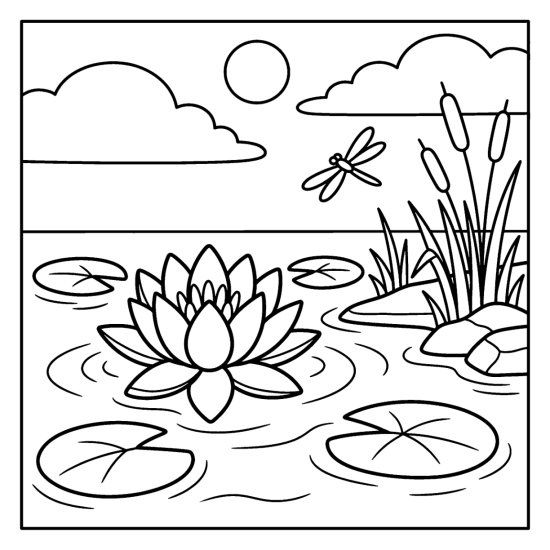
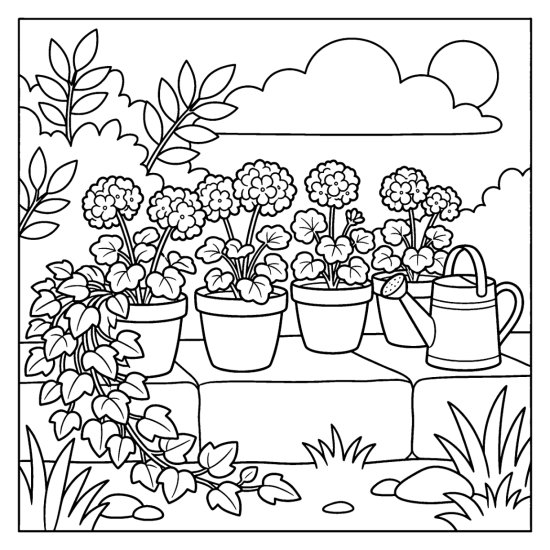
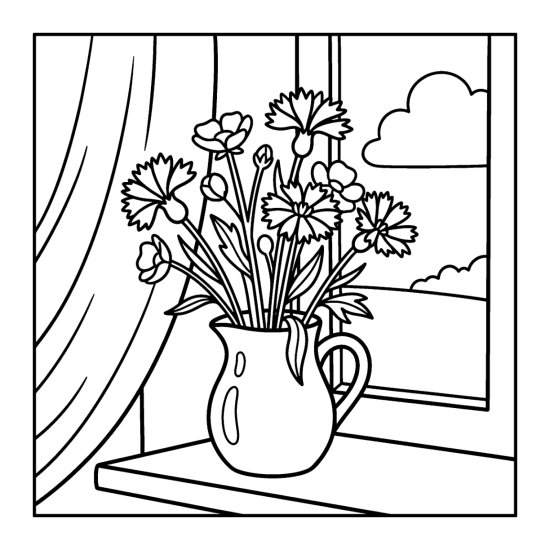
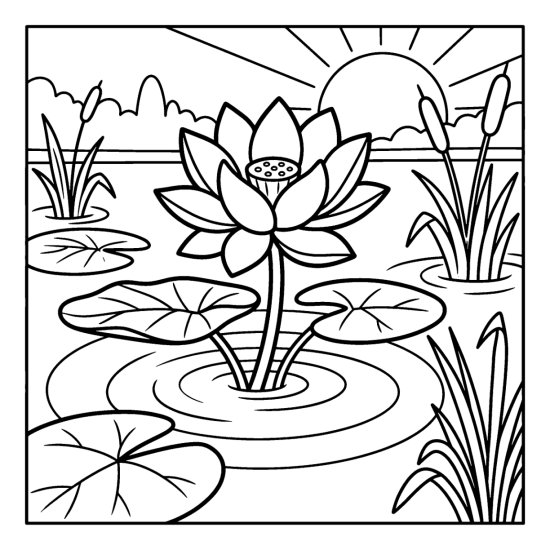
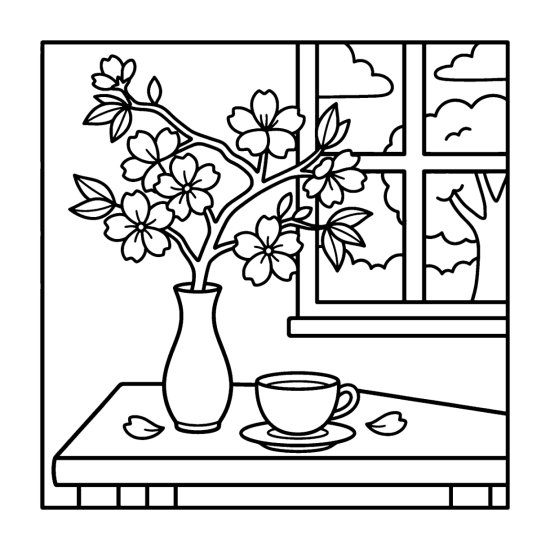
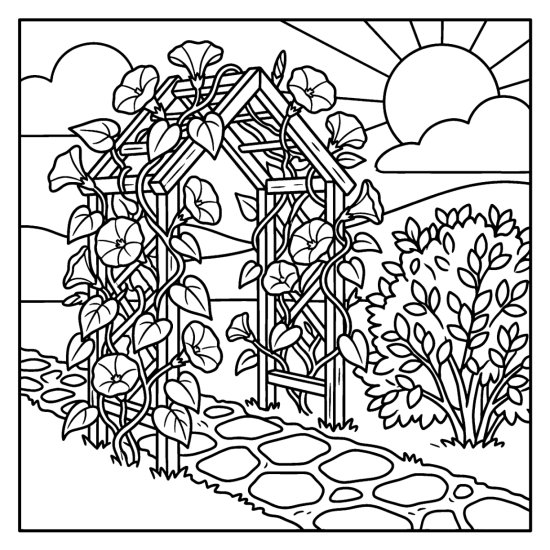
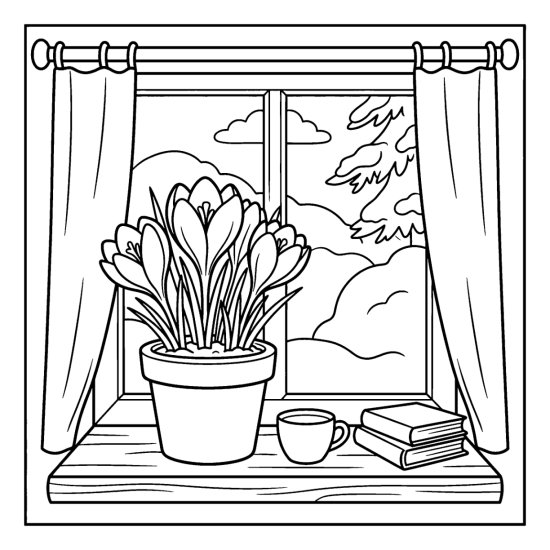
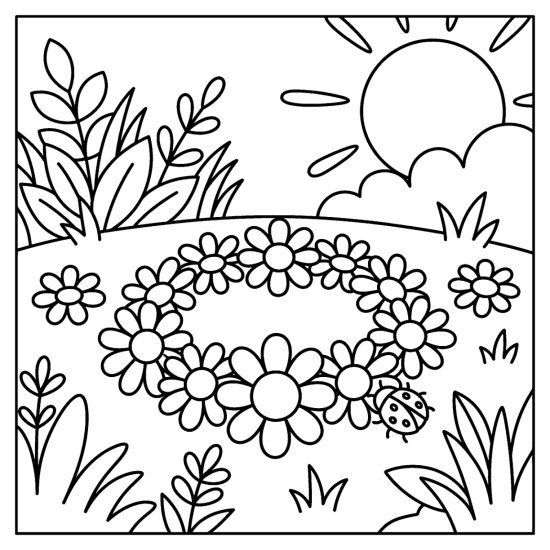
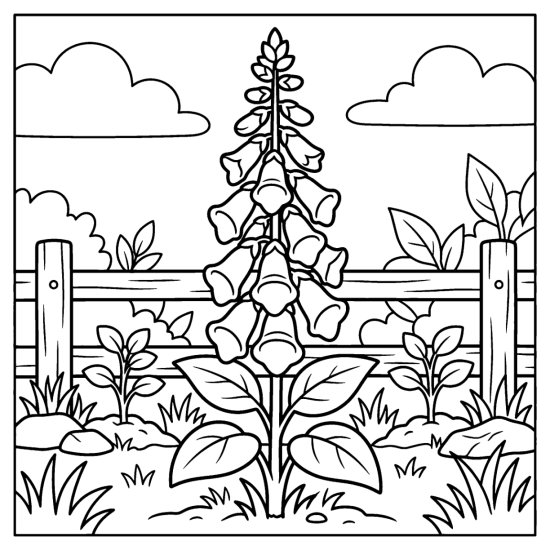
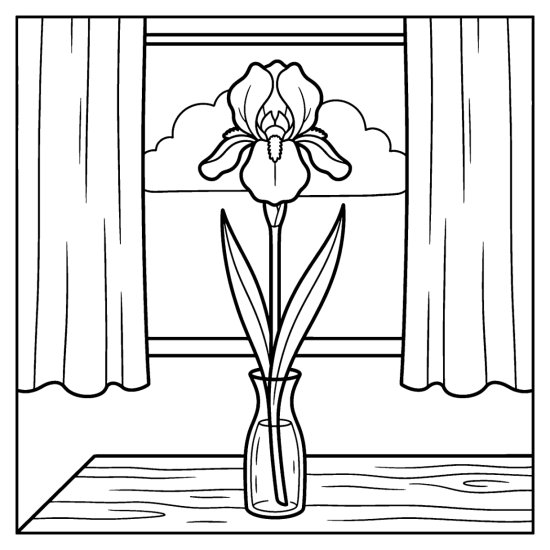
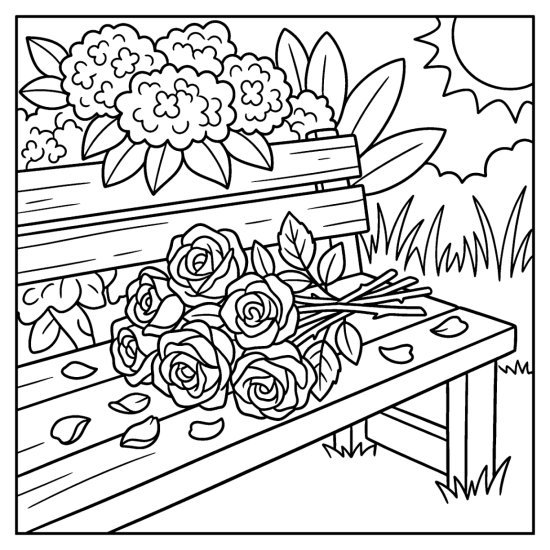
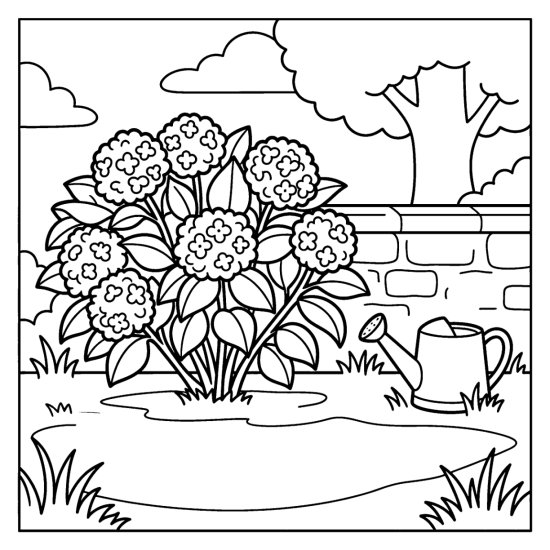
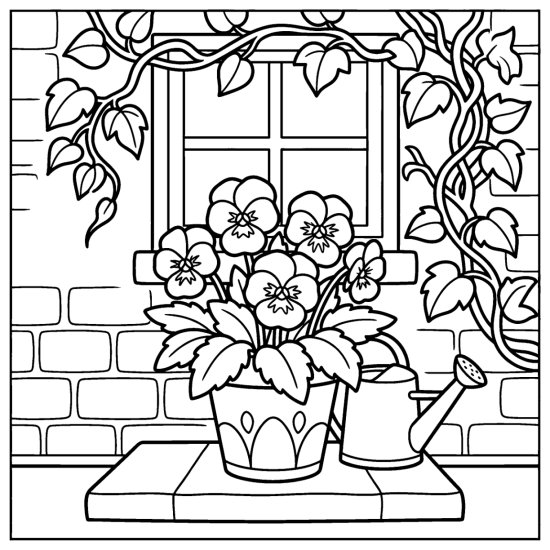
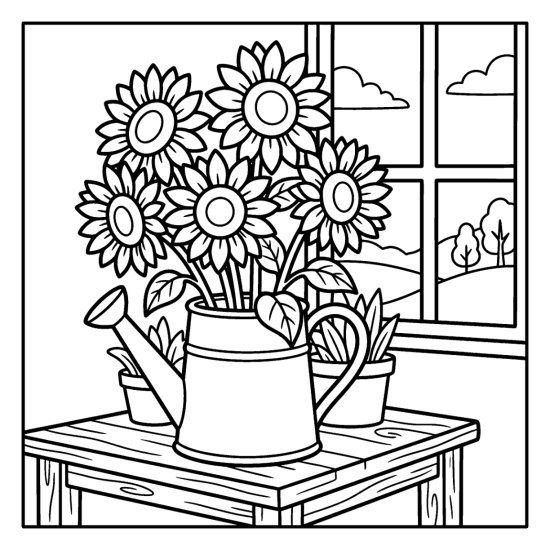
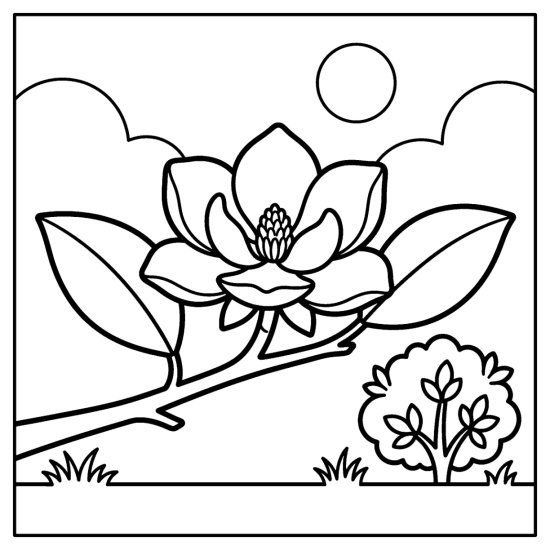
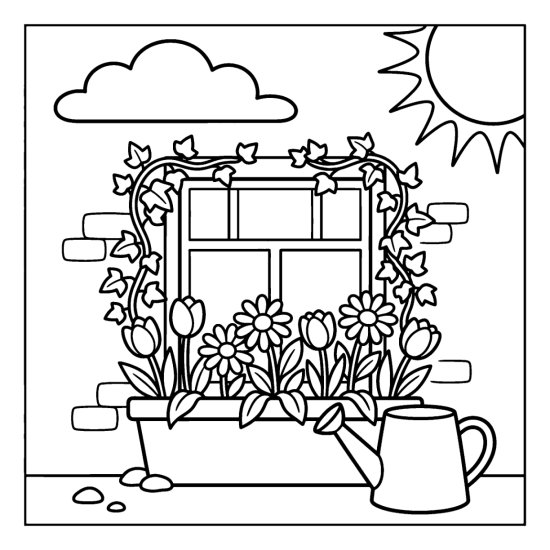
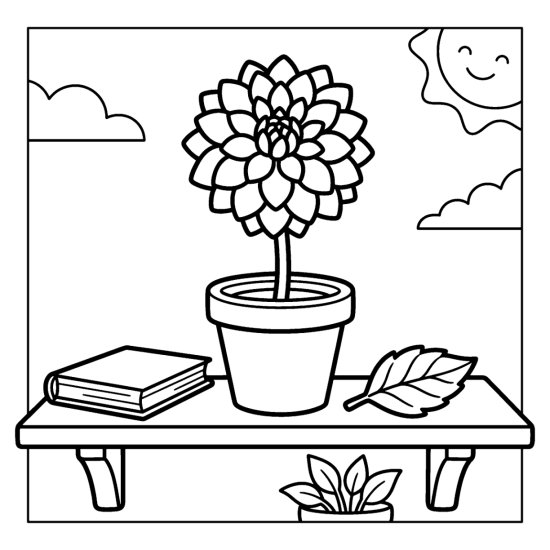
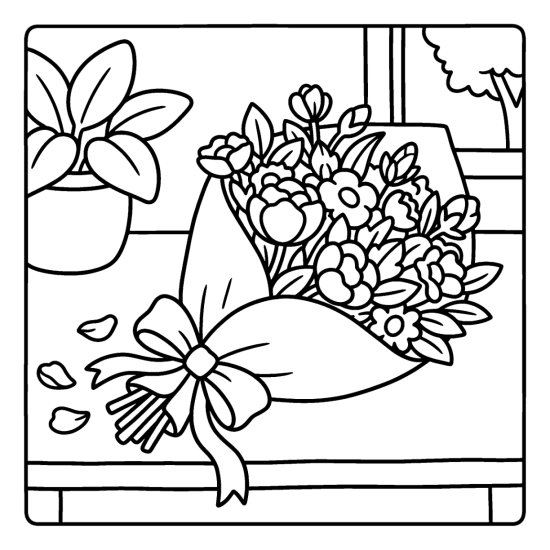
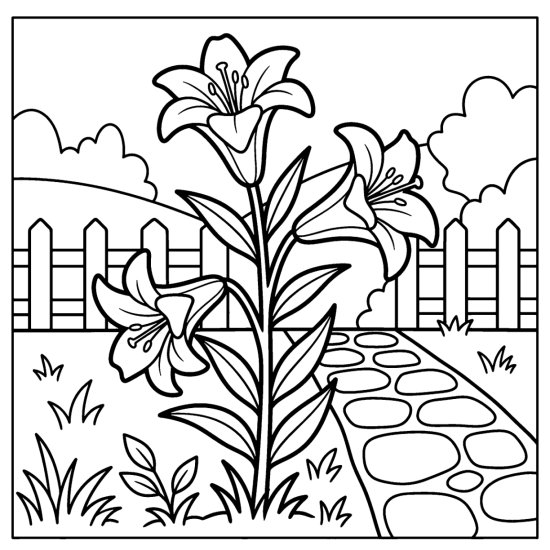
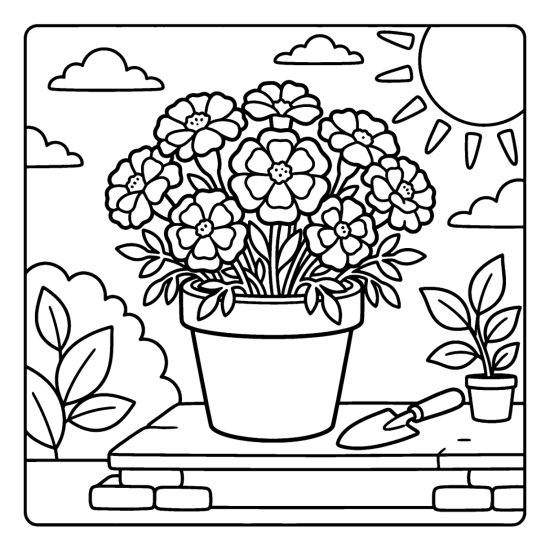
Single bloom pages, bouquets and vases, garden flower beds, and potted plant pages
The book moves through four loose groups, so you can pick a page based on the kind of flowers you want to spend the next hour coloring.
Single bloom pages
Large standout flowers like a sunflower, hibiscus, peony, magnolia, and iris fill the page with one big subject. The thick outlines and broad petals make these the friendliest pages for beginners and the quickest to finish. Colored pencils let you blend petal shades gently, while a single bright marker makes the bloom pop.
Bouquet and vase pages
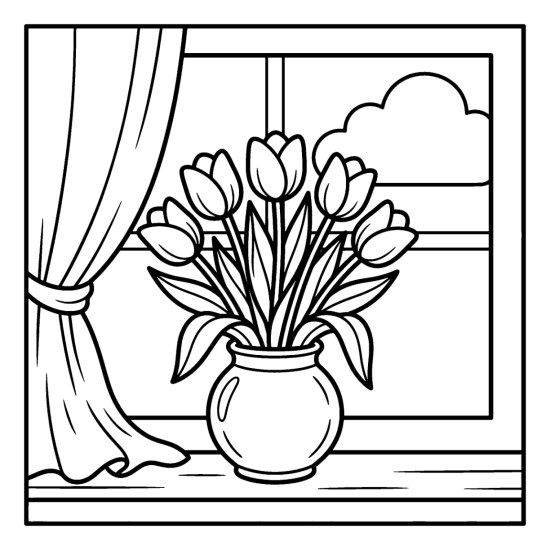
Tulips, daffodils, cherry blossoms, and mixed wrapped bouquets sit in vases, jars, and pitchers on tabletops and windowsills. These pages add a simple container and a little background, but stay easy and uncluttered. Markers keep the glass and china crisp, and pencils suit the softer petals.
Garden flower pages
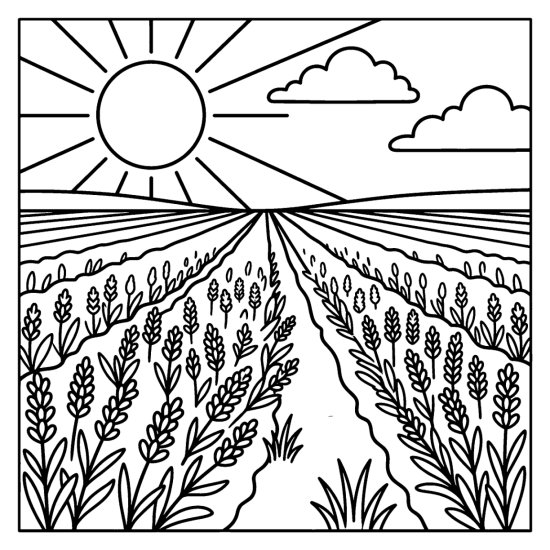
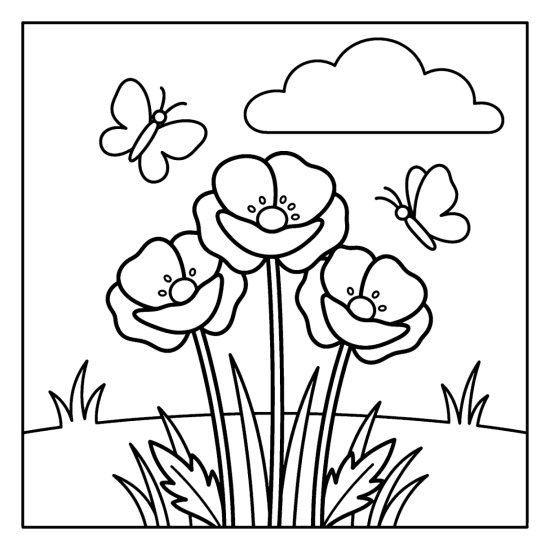
Rose bushes, poppies in a meadow, foxgloves, lavender fields, and lilies by a path show flowers growing in their setting. Wide skies, fences, and grass give you broad fillable areas around the blooms. These are relaxing panoramic pages that reward a calm, unhurried sitting.
Potted plant pages
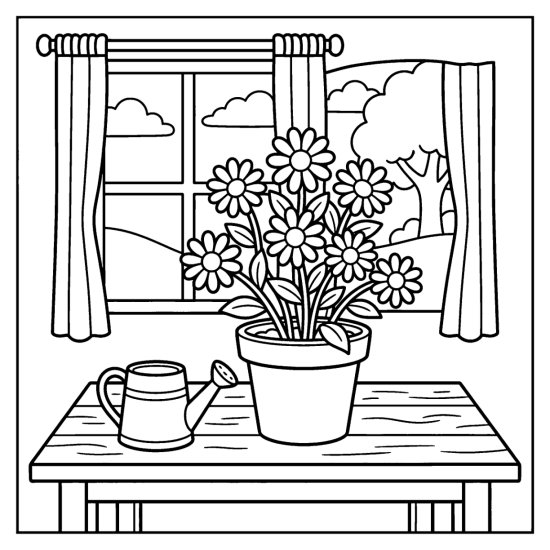
Geraniums, pansies, marigolds, crocuses, a flowering cactus, and a window box bring flowers into simple pots and planters. The rounded pot shapes and bold blooms are gentle and forgiving to color. Any medium works, though warm pencil tones suit the terracotta and soft petals nicely.
What you get in these simple flower coloring pages large print
The whole point here is room to breathe. Every page is drawn large, with thick outlines and few tiny gaps, so your pencil or marker has plenty of space to work. That is what makes these such good simple flower coloring pages large print sheets. You are coloring broad petals and wide leaves, not hairline veins and dense crosshatching.
The collection mixes four kinds of pages. There are single standout blooms like a sunflower, hibiscus, peony, magnolia, and iris that fill the sheet with one big subject. There are bouquets and vases, with tulips, daffodils, and cherry blossoms tucked into jars and pitchers. There are garden scenes with rose bushes, poppies, lavender, and lilies set against open sky. And there are potted plants, from geraniums and pansies to that cheerful flowering cactus on the windowsill.
Because the style stays consistent, you can flip to any page and know it will be beginner friendly. No page suddenly throws a wall of detail at you. That makes it easy to pick one based on your mood rather than worrying about how hard it will be.
Single blooms you can finish in one sitting
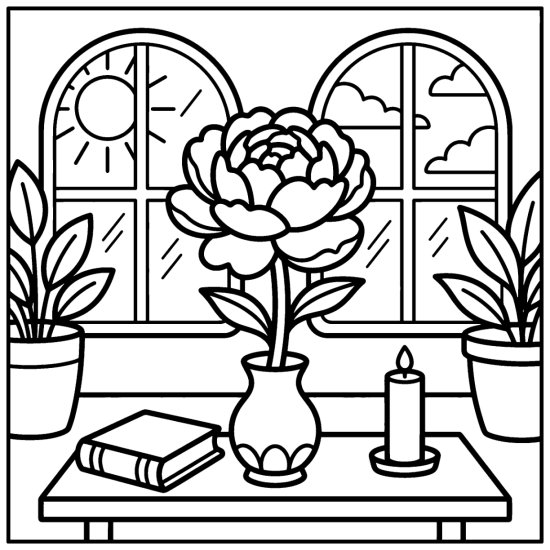
The single bloom pages are the fastest and friendliest in the book. A big sunflower, a wide open peony, a magnolia lying along its branch. One subject, lots of space, thick lines guiding every petal. These are the pages I point beginners to first because there is almost no way to get lost in them.
Color also goes a long way here. A sunflower is the obvious golden yellow with a brown center, but try warming the outer petals with a touch of orange so the bloom looks like it is catching afternoon light. A magnolia loves soft pink fading to cream near the middle. For an iris, deep purple petals with a yellow streak look striking against a plain background. Since the shapes are large, you can blend two shades inside one petal without it getting muddy.
If you only have ten quiet minutes, this is the section to reach for. One flower, start to finish, and you walk away with something that actually looks done.
Pots, vases, and windowsill scenes
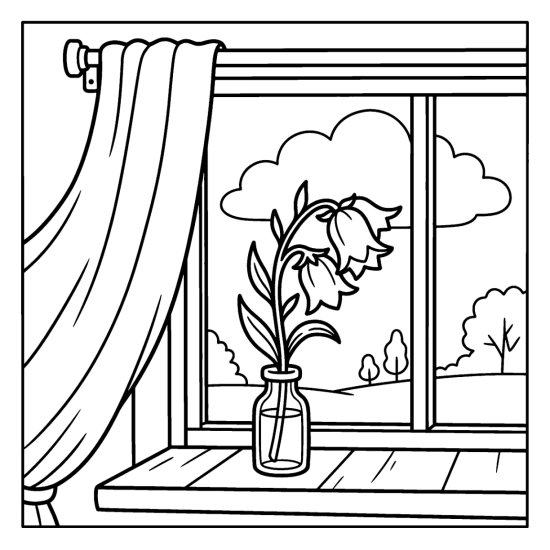
A good chunk of the book brings flowers indoors, and these are some of the coziest pages to color. Crocuses sit in a clay pot on a windowsill next to a coffee cup and a little stack of books. A flowering cactus shares a sunny ledge with a small potted seedling and a curtain pulled to one side. Tulips and daffodils stand in jars and pitchers on tabletops.
The pots and containers give you a nice change of pace from the blooms. Warm terracotta tones look wonderful on the clay pots, and you can keep them simple or add a painted band of pattern, like the dotted zigzag on the cactus pot. Glass jars stay crisp if you leave them mostly white with just a hint of pale gray, which lets the flowers inside do the talking.
These scenes have a little background too, like a window, a curtain, a glimpse of clouds outside, but they never get busy. A soft blue sky and pale curtains are all it takes to make the whole windowsill feel calm and lived in.
Garden patches and meadow scenes
When you want something with a bit more going on, the garden pages deliver without overwhelming you. Think poppies in a meadow, lavender rows, foxgloves, and lilies along a path, plus that sweet little scene of wildflowers with a round bumblebee hovering above them. There is wide sky, soft rolling ground, and tufts of grass to fill.
These pages reward a relaxed afternoon. The big fillable areas (sky, grass, the spaces between stems) let you put down broad, even color, while the flower heads give you spots to add brighter pops. Try a meadow with mixed warm colors, a few reds, a couple of pinks, some yellow, so it reads like a real wild patch rather than a tidy garden. A pale yellow and gray bumblebee is a fun small detail to finish on.
Here is a tiny real fact worth knowing while you color that bee scene. Bumblebees are surprisingly good cold weather fliers, which is why you often see them out and busy on cool spring mornings before other pollinators show up.
Color ideas and a few easy ways to use the pages
You do not need anything fancy to make these look great. Colored pencils are lovely for blending petal shades on the bigger blooms, and a single bright marker is perfect when you just want a flower to pop. Because the outlines are thick, even inexpensive pencils stay neatly inside the lines, which is part of why these pages feel so forgiving.
If you like printing your own, these are made for it. In our 2026 reader survey, 87% of readers said they prefer printing on paper over coloring in a phone or tablet app, and the large, simple layouts hold up beautifully at full page size. Print a few at once so you always have a fresh flower ready to go.
A finished single bloom, like the magnolia or the sunflower, looks genuinely nice in a simple frame, and it makes a sweet little homemade gift. You can also pair pages into a set, say a tulip bouquet and a potted crocus, color them in the same palette, and frame them together for a small matching pair on a wall or shelf.
How to print bold and easy flower coloring pages at home
Printing from this book takes about a minute from start to finish. The full book is one PDF, so you can print every page in a single job or pick out only the bold and easy flower designs you want.
- Open the book in the embedded viewer. Scroll to the embedded viewer at the bottom of this page, or click any thumbnail in the gallery to jump straight to that flower page inside the viewer.
- Choose Print or Download from the toolbar. Use the viewer's toolbar to print directly from your browser or download the full PDF to your computer for later use. Both options are free.
- Pick the right paper. For colored pencils, standard 24 lb (90 gsm) printer paper works fine. For markers or gel pens on these bold blooms, step up to 70 to 90 lb cardstock to prevent bleed through and warping.
- Set print quality and scaling. Select your printer's highest quality setting and set scaling to None or Actual Size to keep the thick lines crisp on 8.5x11 paper. On A4, enable Fit to page.
- Test print one sheet first. Before printing the full book, run a test on a single flower page to check the line crispness and paper behavior with your chosen tool.
More adult coloring themes
If you liked these bold and easy flower coloring pages, here are a few more themes you might enjoy.
Flower Coloring Pages for Adults
Detailed flowers and bouquets for when you want busy lines instead of big simple shapes.
Browse flower coloring pages for adults →Nature Coloring Pages for Adults
Forest scenes, plants, and wildlife arranged into calm pages that are great for unwinding.
Browse nature coloring pages for adults →Bold and Easy Bear Pages
Friendly forest bears with the same thick lines and big shapes, just swapping flowers for critters.
Browse bold and easy bear pages →Frequently asked questions
What makes these bold and easy flower coloring pages different from a typical floral coloring book?
Every page in this collection uses thick lines and large, open blooms so there are no fiddly little petals to stay inside. You get generous shapes like big sunflower heads and wide open roses that are genuinely satisfying to fill in, not frustrating. It is the kind of simple design that lets you zone out and actually relax instead of squinting at tiny details.
Which pages in this set would work best as a framed gift for someone who loves flowers?
The single large rose and the oversized sunflower pages are both stunning once colored and popped into a basic frame from a craft store. Because the blooms fill almost the whole page, there is not a lot of white space left over, so the finished piece looks intentional and full. A colored sunflower page in a yellow frame would make a genuinely cheerful kitchen gift.
Do the thick lines on these pages hold up if I want to use watercolor or brush markers?
Yes, the bold outlines act almost like a barrier, so wet media like brush markers or light watercolor washes stay where you put them without the color bleeding into neighboring sections. Just print on cardstock rather than regular copy paper if you are going to use anything wet. The simple, large shapes also mean each section dries quickly before you move to the next petal.
How do simple flower coloring pages large print like these compare to standard sized designs for someone with low vision or arthritis?
The oversized blooms and thick outlines make a real difference because your hand does not have to make tiny, precise movements to stay inside the lines. Someone with stiff joints or reduced vision can color a whole tulip or daisy section with broad, confident strokes and still get a beautiful result. These bold and easy flower coloring pages were genuinely built with that kind of accessibility in mind, not just labeled that way.
Which pages in this collection feel the most cheerful for a summer afternoon coloring session?
The sunflower page is the obvious pick because those big round centers and wide petals just feel sunny and warm. The daisy cluster page is a close second since the simple repeating shapes have a really playful, meadow-in-July energy. Either one pairs nicely with a cold drink and an hour to yourself.
Can a complete beginner actually finish one of these pages in a single sitting?
Absolutely, that is kind of the whole point of this collection. The thick lines and large sections mean even someone picking up colored pencils for the first time can complete a full rose or tulip page without feeling overwhelmed. Most of the designs have fewer than a dozen distinct areas to color, so there is a real sense of progress and a finished result you can feel proud of.
Are there any cool color palette ideas for the peony or magnolia pages specifically?
For the peony, a blush-to-deep-raspberry gradient across the layered petals looks gorgeous and is easy to pull off even without blending experience, just work light to dark from the outer petals inward. The magnolia page is beautiful in creamy whites and soft lavender shadows, or you can go unexpected and try a warm peach with sage green leaves for something a little more modern. Both pages have large enough sections that experimenting with a two or three color palette feels low risk and high reward.
When would be a good time to print a small set of these simple flower pages and work through them as a series?
A rainy weekend is the classic answer, but these also work really well as a slow morning ritual, one page with your coffee a few times a week. If you print the rose, the peony, and the magnolia together you get a lovely soft, romantic trio that feels cohesive when displayed side by side. Working through a small themed set like that gives the whole project a satisfying arc instead of just one-off pages.